


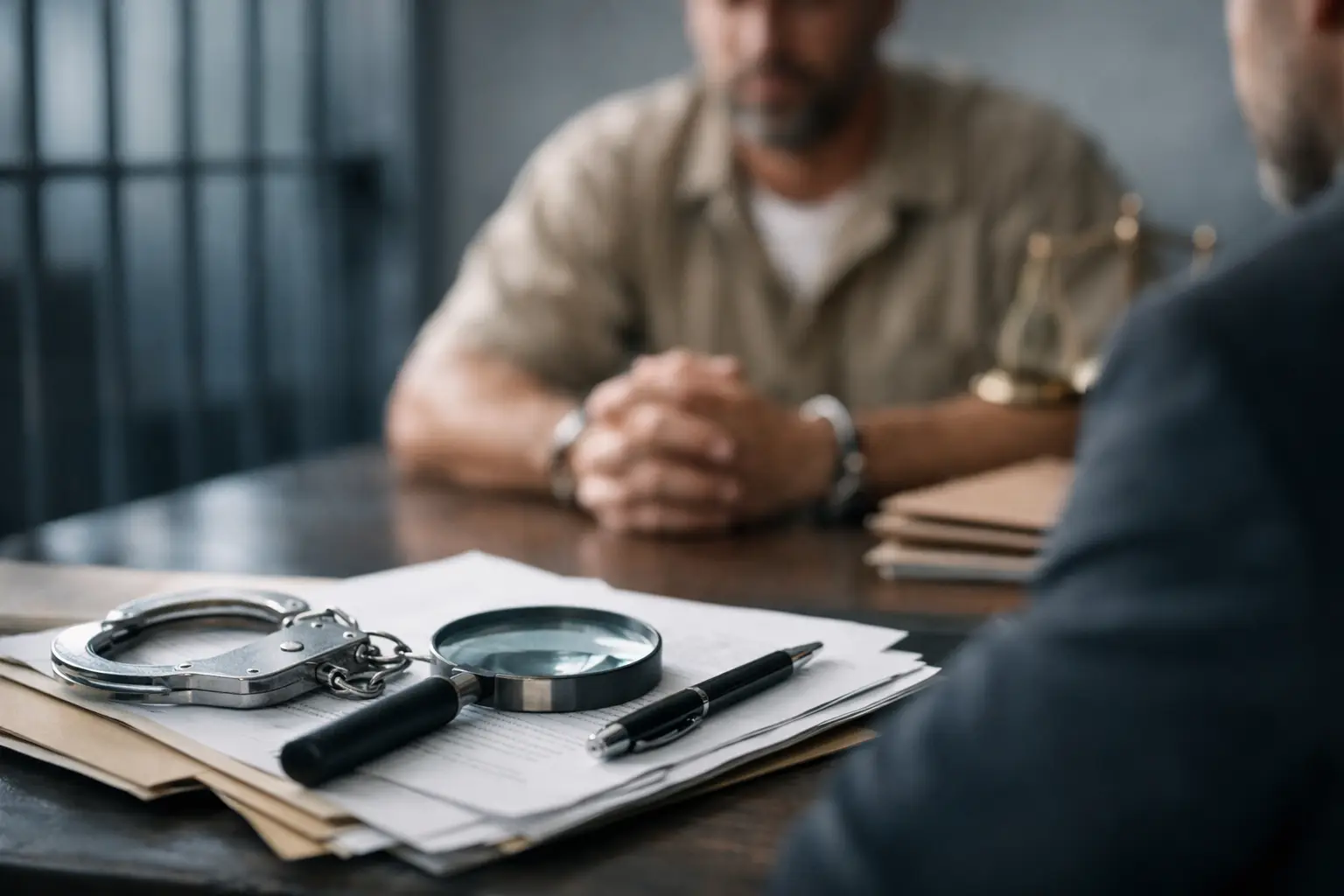
Post Conviction Investigation Help That Matters
A conviction does not always end the factual investigation. In many cases, it is the first point when the right questions finally get asked. Post conviction investigation help exists for one reason: to determine whether critical evidence was missed, misread, withheld, or never pursued in the first place.
For families and defense teams, this stage is emotionally difficult and legally sensitive. There may be deadlines, exhausted appeals, damaged witness memories, and years of frustration behind the file. But there may also be viable leads. A disciplined post-conviction investigation can bring structure to a case that has been buried under transcripts, assumptions, and time.
What post conviction investigation help actually involves
This is not a rerun of the original case. A proper post-conviction inquiry is more focused and more strategic. The goal is not to re-argue every issue. The goal is to identify facts that can materially support legal relief.
That may include locating new witnesses, re-interviewing trial witnesses, reviewing law enforcement reports against testimony, examining timelines, tracing physical evidence, or identifying inconsistencies in statements that were never fully explored. In some matters, digital evidence, social media activity, location data, financial records, or overlooked third-party information can change the understanding of what happened.
The strongest investigations are built around a legal theory, but they are not limited by tunnel vision. Sometimes a case begins with one suspected problem, such as false testimony, and leads to another, such as an undisclosed witness, mishandled evidence, or a flawed identification process.
Why cases often need a fresh investigation after conviction
A criminal trial can leave significant gaps. Police may have focused too quickly on one suspect. Trial counsel may not have had the time, budget, or access needed to pursue every lead. Witnesses may have been pressured, mistaken, reluctant, or simply never contacted. Records that seemed minor at the time may become central later.
Convictions can also rest on evidence that appears stronger on paper than it was in reality. A confident eyewitness may have had poor visibility. A cooperating witness may have had a motive to shift blame. A timeline may collapse once phone records, employment logs, surveillance footage, or travel data are examined together.
This is where independent investigative work matters. A licensed investigator approaches the file from outside the original prosecution framework and outside the assumptions that may have hardened over time. That distance can be valuable.
What a qualified investigator looks for
Good post conviction investigation help is methodical. It starts with the record, but it does not stop there. Investigators study charging documents, reports, transcripts, exhibits, and appellate history to understand what was presented, what was challenged, and what was left unresolved.
From there, the investigation typically moves into fieldwork. Witnesses are located and interviewed carefully. Prior statements are compared for changes, omissions, or signs of influence. Alternative suspects, alternate timelines, and corroborating records are tested against known facts.
In the right case, investigators may also examine whether exculpatory evidence was not disclosed, whether alibi evidence was ignored, whether forensic handling created doubt, or whether a key witness has now recanted or admitted pressure. None of these issues automatically overturn a conviction. But each can be highly important when supported by credible evidence and proper documentation.
Post conviction investigation help and witness re-interviews
Witness work is often the center of a post-conviction matter. People talk differently years later than they did in the middle of a criminal prosecution. Some become more willing to speak once immediate fear, loyalty, or outside pressure has faded. Others remember details that never made it into a report. Some admit they were never asked the right questions.
That said, late-stage witness work has risks. Memories fade. Stories can drift. Some witnesses may become defensive or unavailable. A professional investigator knows how to approach these interviews without creating contamination, confusion, or statements that cannot withstand legal scrutiny.
The difference between a useful witness interview and a wasted one often comes down to preparation. The interviewer must know the record, understand the legal stakes, and document the contact in a way counsel can evaluate and use.
The role of records, digital evidence, and timelines
Many older convictions were built before current levels of digital evidence became routine. That does not mean useful records no longer exist. Employment files, property records, call detail records, archived social media activity, business logs, and public or private surveillance sources can sometimes still be recovered or reconstructed.
Timelines are especially important. A case may have been presented as simple and linear at trial, but records often tell a more complicated story. Travel times may not work. A witness may not have been where they claimed. A sequence of events may be impossible once timestamps are compared closely.
This kind of reconstruction requires patience. It also requires restraint. Not every discrepancy matters, and not every inconsistency is proof of innocence. The point is to separate meaningful conflict from background noise and identify what can actually support a legal filing.
What families should know before seeking help
Families often come to this process carrying two burdens at once: grief over the conviction and uncertainty about what can still be done. They may already have boxes of paperwork, internet research, and theories from well-meaning supporters. Some of that material may help. Much of it needs to be screened carefully.
The most productive starting point is not emotion alone. It is a clear review of the existing record and a realistic assessment of where new evidence might exist. Sometimes the strongest path is obvious. In other cases, the first stage is simply determining whether there is anything left to develop that has legal value.
That distinction matters. An investigator should not promise reversal, vindication, or quick answers. Credible professionals explain the limits as clearly as the possibilities. Some cases produce meaningful new evidence. Others produce clarity, but not relief. Honest expectations protect everyone involved.
Working with post-conviction counsel
The best results usually come when investigators and attorneys work in close coordination. Counsel identifies the legal avenues available, whether that involves habeas issues, newly discovered evidence, ineffective assistance claims, sentencing-related matters, or other post-conviction remedies. The investigator develops facts that may support those avenues.
This coordination matters because evidence without a legal path may have limited effect, and a legal argument without developed facts often fails. Strategy should guide the investigation from the beginning, especially where deadlines, privilege concerns, and court standards are involved.
For that reason, discretion is critical. Witness contacts, record requests, surveillance decisions, and evidence preservation steps should be handled with full awareness of how they may affect litigation. A careless approach can damage a case that might otherwise have had a viable path forward.
When professional investigation is worth the investment
Not every conviction needs a private investigator, but many serious cases benefit from one. That is especially true where there are unanswered factual questions, missing witnesses, contradictory statements, untested alternative theories, or concerns about how the original investigation was conducted.
Professional help also makes sense when family members are tempted to investigate on their own. That impulse is understandable, but it can create serious problems. Untrained outreach can alert witnesses, trigger defensive responses, compromise evidence, or produce statements that are difficult to use. In some situations, it can place family members at personal risk.
A licensed investigative firm brings experience, structure, and documentation standards that matter in high-stakes legal work. That includes witness location, statement analysis, background development, record review, field investigation, and coordination with counsel under confidential conditions. Firms such as Kay & Associates Investigations are built for precisely this kind of sensitive case handling, where discretion and credibility are not optional.
Choosing the right post-conviction investigator
Experience matters, but the right kind of experience matters more. This work is different from general surveillance or routine background checks. It requires a strong understanding of criminal case records, witness dynamics, evidentiary issues, and the difference between suspicion and usable proof.
Ask how the investigator approaches case review, witness interviews, documentation, and attorney coordination. Ask whether they understand the pressure points in post-conviction work, including delayed memories, hostile witnesses, chain-of-information concerns, and the need to avoid overstating findings.
Most of all, look for discipline. A seasoned investigator does not chase every rumor. They test facts, verify sources, and build a record that can stand up to scrutiny.
When a conviction still raises serious factual questions, silence is rarely the answer. A careful investigation cannot change every outcome, but it can bring something families and legal teams need at this stage: verified facts, professionally developed, and pursued with the seriousness the case deserves.










Locating and Serving a Person Hard to Find for Legal Action says: