


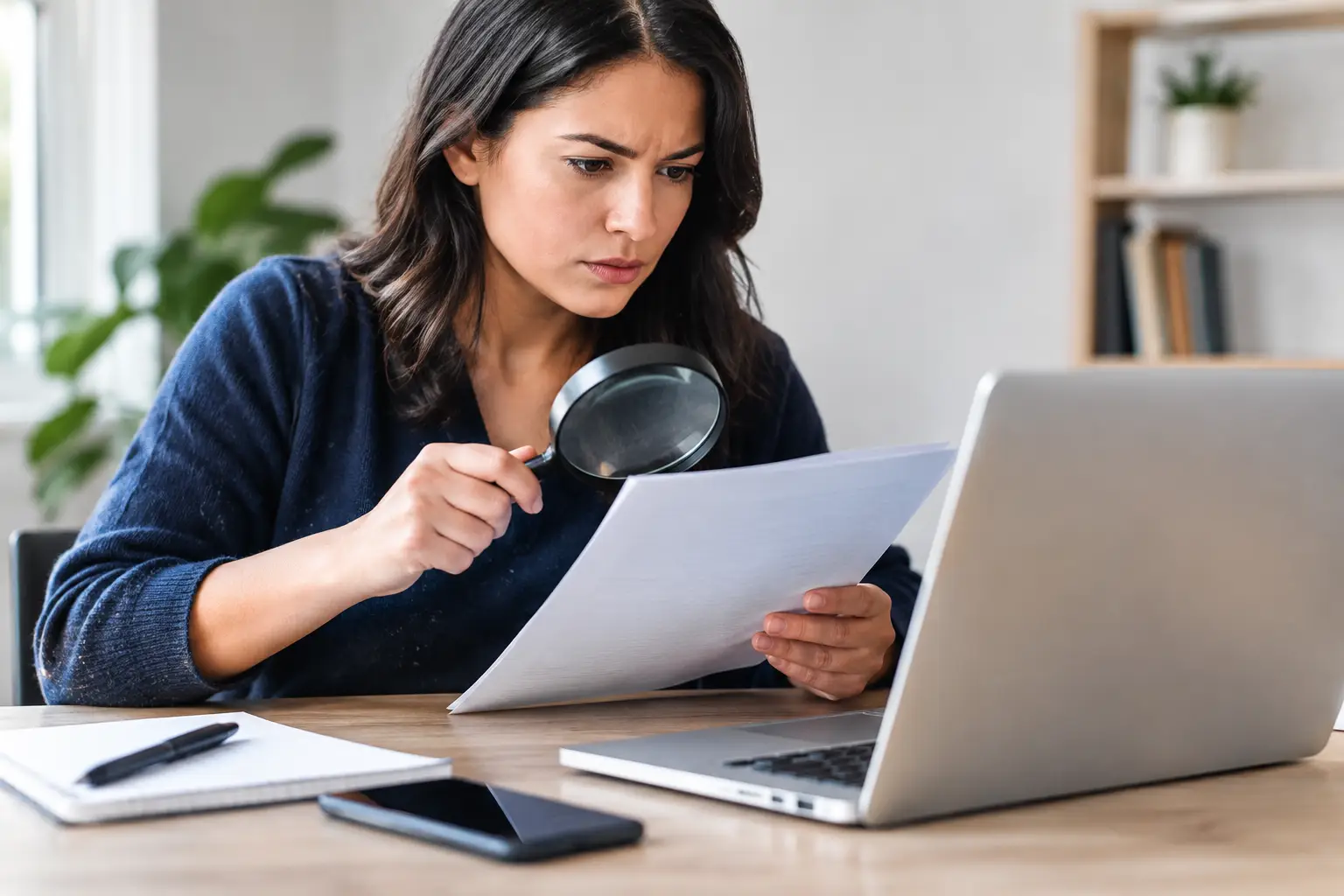
How to Investigate Identity Theft Without Losing Evidence
A single unfamiliar credit inquiry can be the first sign of a much larger problem. When you need to know how to investigate identity theft, the first priority is not to chase a suspected person online. It is to stop additional damage, preserve a clean record of what happened, and identify which accounts, devices, and records have been affected.
Identity theft can involve a stolen wallet, a compromised email account, a data breach, a fraudulent tax filing, synthetic identity fraud, or someone close to you using your information. The facts matter. A careful investigation protects your finances and gives your bank, insurer, attorney, law enforcement agency, or private investigator a stronger foundation to act.
First, Contain the Damage
Start with the account where the fraud appeared, whether that is a credit card, bank account, online payment service, phone account, or government benefit account. Call the institution using a number from its official statement or website, not a number in an unexpected text or email. Tell the fraud department that you believe your identity has been used without authorization and request a case or claim number.
Ask what transactions, applications, contact changes, replacement cards, withdrawals, or account access attempts they can see. Request that the institution secure or close compromised accounts as appropriate and issue new credentials. Change passwords from a device you trust, beginning with your primary email account. Email control often gives a thief the ability to reset passwords across multiple services.
A credit freeze with each major credit bureau can prevent many new-account fraud attempts. Fraud alerts, credit monitoring, and account notifications may also help, but they serve different purposes. A freeze is generally the stronger preventive measure when unauthorized new credit is a concern. Monitoring can tell you about activity after it occurs; it does not necessarily stop it.
Preserve Evidence Before It Disappears
Fraud evidence is frequently overwritten, deleted, or difficult to retrieve later. Preserve it in its original form whenever possible. Do not alter messages, edit screenshots, or confront a suspected individual through text, email, or social media. An emotional confrontation can warn the person, cause evidence to disappear, and complicate a legitimate investigation.
Create a chronological incident log. Record the date and time you discovered each issue, the account involved, the amount, the people or departments you spoke with, and every case number provided. Save letters, transaction histories, account statements, denial notices, email headers, voicemails, text messages, screenshots, and copies of identification or applications that were used fraudulently.
For a complex case, keep original digital material separate from working copies. For example, save the original email in your email account and download a copy rather than forwarding the only version around. Note where each item came from and when you obtained it. This simple discipline can be valuable if the matter becomes a civil dispute, criminal case, insurance claim, employment issue, or family-law matter.
How to Investigate Identity Theft Across Your Records
The investigation should establish scope before it focuses on blame. Review your credit reports for unfamiliar inquiries, addresses, employers, aliases, open accounts, collection activity, and changes to personal information. Look beyond the account that first raised concern. Identity thieves often test a stolen identity with a small transaction before attempting larger purchases, new credit, or cash withdrawals.
Review checking and savings accounts, credit cards, retirement accounts, investment accounts, medical insurance explanations of benefits, mobile phone accounts, delivery-service profiles, and online retail accounts. Check for altered recovery email addresses, new phone numbers, unfamiliar devices, shipping addresses, and changes to direct-deposit information.
If tax, Social Security, unemployment, or other government-related fraud is suspected, preserve all notices and contact the relevant agency promptly. Government identity fraud can have deadlines, and it may take time to correct records even after the immediate claim is addressed.
It is also wise to determine whether the compromise may have started with a device, email account, workplace record, lost mail, or data exposure. Signs such as unfamiliar password-reset emails, login alerts from unknown locations, newly created email rules, or missing mail can point to the access method. They do not, by themselves, identify the responsible person.
Separate Facts From Assumptions
It is understandable to suspect an ex-partner, relative, employee, roommate, caregiver, or business associate when private information was readily available to them. Access is relevant, but it is not proof. Many identity theft cases involve data obtained through breaches, phishing, mail theft, or criminal marketplaces rather than someone the victim knows.
Keep your findings factual. “A credit application used my former address on March 3” is useful. “My former spouse definitely did this” is an allegation that requires corroboration. This distinction is especially important in divorce, custody, estate, business-partnership, and employment disputes, where unsupported accusations can create legal and personal consequences.
A professional investigation may compare timelines, access opportunities, public records, financial patterns, digital artifacts, and witness information while observing legal boundaries. The goal is verified intelligence, not confirmation of a theory.
File the Right Reports and Keep the Numbers
Identity theft often requires parallel reporting. Your financial institution handles account losses and account security. A report through the Federal Trade Commission’s identity theft reporting process can help create a recovery plan and supporting documentation. Local law enforcement may take a report, particularly when there is a known suspect, substantial financial loss, forged documents, mail theft, or a continuing threat.
Keep copies and report numbers from every agency and company. When providing documents, send only what is requested and redact account numbers where possible. Ask each institution how it accepts evidence, what deadline applies to disputed transactions, and whether it can provide records related to fraudulent activity.
Do not assume a police report automatically produces a full investigation or immediately identifies a suspect. Agencies must prioritize available resources and jurisdictional issues can be complex. Even so, the report may be essential for disputing accounts, establishing a paper trail, and protecting yourself if fraudulent activity reappears.
When a Licensed Investigator Can Help
Some identity theft matters are straightforward account disputes. Others involve repeated fraud, substantial losses, business accounts, a suspected insider, forged records, family conflict, or evidence that may be needed for litigation. Those cases benefit from an investigator who understands evidence handling, digital forensics, financial fraud indicators, and the legal sensitivities around surveillance and records research.
A licensed private investigator can help organize the factual timeline, locate relevant public-record information, document evidence, identify patterns, and coordinate investigative work with counsel when appropriate. For a business, that may include reviewing employee access, vendor activity, expense irregularities, account changes, and digital evidence. For an individual, it may mean clarifying whether the activity is isolated fraud or part of a broader pattern involving financial deception or impersonation.
There are limits. A legitimate investigator cannot hack an account, obtain protected financial records without lawful authority, impersonate you to gain access, or promise an arrest. Be cautious of anyone who claims they can “recover” stolen funds for an upfront fee, erase bad credit overnight, or identify a thief using only a name from social media. Credible investigative work is methodical, lawful, and documented.
For clients facing sensitive or high-stakes circumstances, Kay & Associates Investigations approaches identity theft concerns with discretion, customized strategy, and the level of documentation needed to make informed decisions.
Protect Yourself During the Investigation
While the inquiry is underway, reduce further exposure. Use unique, long passwords stored in a reputable password manager, enable multi-factor authentication, and make recovery options current. Consider using an authenticator app or security key for your most important accounts, especially email and financial services.
Review mail handling as well. If you suspect stolen mail or an unauthorized address change, secure your mailbox, confirm mailing addresses directly with institutions, and watch for missing statements or unexpected replacement cards. Be cautious with callers claiming to be from a bank, government agency, or technical support team. Independently verify the organization before sharing any code, password, or personal information.
The right next step is the one that preserves your options. Secure the account, document the facts, and bring in qualified help before assumptions or missing evidence make an already stressful situation harder to resolve.








Locating and Serving a Person Hard to Find for Legal Action says: