


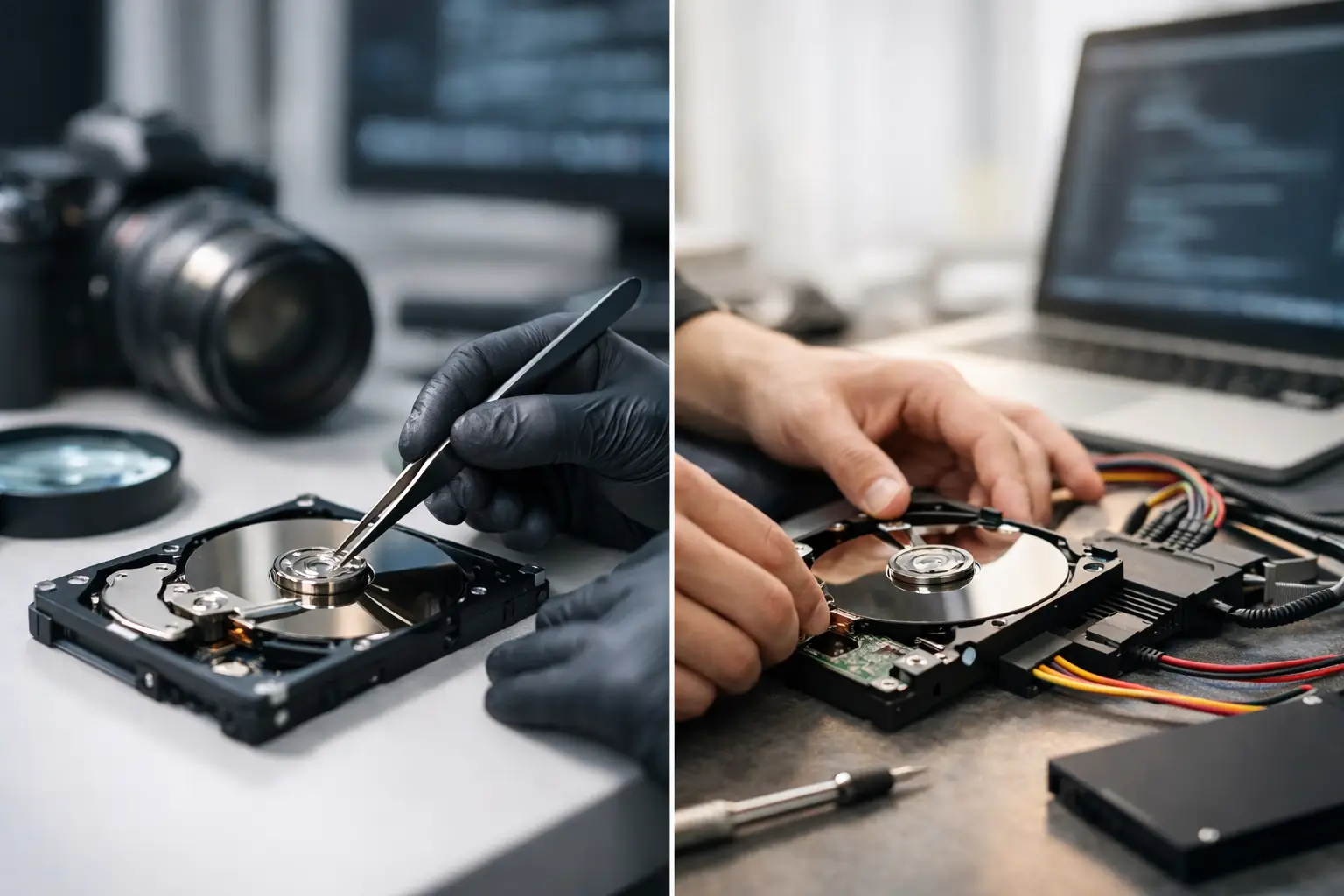
Forensic Imaging Versus Data Recovery Explained
A phone, laptop, or external drive can contain the answer to a disputed business transaction, a custody concern, suspected employee misconduct, or a missing person’s last known contacts. But how that device is handled can determine whether the information is useful, defensible, or lost. Forensic imaging versus data recovery is not a technical distinction for experts alone. It is a decision that affects evidence, privacy, legal strategy, and the integrity of a case.
Forensic Imaging Versus Data Recovery: The Critical Difference
Forensic imaging creates an exact, verifiable copy of a digital storage device. Data recovery focuses on retrieving accessible files from a device that is damaged, failing, erased, or otherwise difficult to read. Both processes can be valuable. They serve different goals and should not be treated as interchangeable.
A forensic image is designed to preserve the digital state of a device at a particular point in time. A qualified examiner uses specialized hardware and software to copy the device bit by bit, including active files, deleted data that may still exist, file-system information, timestamps, and unallocated space. The original device is then protected while the examination takes place on the verified copy.
Data recovery, by contrast, is usually concerned with getting information back. Someone may need family photographs from a failed hard drive, accounting documents from a corrupted server, or files from a phone that will not start. The recovery specialist may repair hardware, rebuild damaged file structures, or extract readable files. The result can be highly useful, but recovery alone does not necessarily create the documentation needed to prove that evidence was preserved without alteration.
Why the Difference Matters in a Legal or Investigative Matter
When digital information may be used in a divorce, civil claim, criminal defense matter, internal corporate investigation, or court proceeding, preservation comes first. Opening a computer, scrolling through messages, logging into an account, or attempting consumer-grade recovery can change metadata and overwrite data that might otherwise have been examined.
A properly performed forensic image protects against those problems. It creates a working copy and records cryptographic hash values, which act like a digital fingerprint. If the hash value of the forensic image matches the source device, an examiner can demonstrate that the copy has not changed. This process supports credibility when attorneys, insurers, opposing parties, or a court question how the evidence was collected.
Chain of custody is equally important. Investigators document who possessed the device, when it was received, how it was stored, who accessed it, and what steps were performed. In sensitive matters, this record can be just as important as the message, document, photograph, or search history found on the device.
Data recovery may be the right starting point when the central issue is access rather than proof. For example, a business may simply need operational files from a crashed drive to continue working. A family may want irreplaceable photos recovered from a damaged memory card. In those situations, the priority may be successful retrieval, not courtroom-ready evidence.
The line changes when recovered information could become evidence. If fraud, theft of trade secrets, harassment, infidelity, custody issues, or employee misconduct is suspected, recovery should be coordinated with a forensic process from the beginning. A well-meaning repair attempt can reduce the value of the very information a client hopes to preserve.
What a Forensic Image Can Reveal
Forensic imaging does not guarantee that every answer will be found. Encryption, overwritten data, remote storage, damaged hardware, and user activity can limit what is available. Still, an image gives the examiner the broadest and most defensible foundation for analysis.
Depending on the device and the authority to examine it, a forensic review may identify communications, documents, browser activity, connected devices, cloud-service artifacts, file transfers, user accounts, and relevant timelines. It may also reveal remnants of deleted files or indicate whether files were moved, renamed, accessed, or intentionally removed.
Context matters. A single screenshot of a text message may raise questions, but a forensic examination can help establish when the message was created, whether it appears in a broader conversation, and whether the device contains related evidence. This is especially significant in contested family and business matters, where incomplete information is often presented as the whole story.
When Data Recovery Is the Better Fit
Data recovery is not a lesser service. It is a specialized technical response to a different problem. It is often appropriate when a device has physical damage, mechanical failure, water exposure, corrupted software, accidental deletion, or a failed operating system.
A recovery professional may need to stabilize a failing hard drive, work around bad sectors, repair a logical file structure, or use advanced extraction methods to obtain readable data. The objective is to retrieve as much information as safely as possible before the device deteriorates further.
However, clients should understand the trade-off. A recovered folder of files may not contain the original metadata, deleted artifacts, operating-system logs, or full context available through a forensic image. Recovery results can also vary greatly based on the device’s condition and whether deleted data has been overwritten.
If the device is still functioning and legal evidence may be involved, imaging before recovery is often the prudent course. If the device has failed and urgent recovery is necessary, the recovery process should be documented carefully so the work can be explained later if needed.
Avoid These Common Mistakes
The most common error is continuing to use a device after discovering potentially relevant evidence. Every new email, app update, web search, or downloaded file can overwrite deleted information. Powering a device on and off repeatedly can also worsen physical or logical failures.
Another mistake is relying on screenshots, forwarded emails, or copied files as the only record. Those materials may be helpful leads, but they rarely provide the complete context or verification available from a properly preserved device.
Clients should also avoid guessing about access rights. A spouse, employee, business partner, or family member may physically possess a device without having legal authority to access its contents. Unauthorized access can create serious legal exposure and complicate an otherwise valid investigation. Before any examination begins, the investigator and legal counsel should confirm ownership, consent, workplace policies, court orders, or other lawful authority.
Finally, do not assume that a quick repair shop is equipped to preserve evidence. General computer repair and forensic examination require different procedures. Repair technicians are often focused on restoring function, while forensic professionals are focused on preservation, repeatability, documentation, and legally sound analysis.
Choosing the Right Process for Your Situation
The right question is not, “Can the files be recovered?” It is, “What must this information accomplish?” If you need documents back for personal or business continuity, recovery may be sufficient. If you need to establish what happened, when it happened, and whether the findings can withstand scrutiny, forensic imaging is usually the stronger foundation.
In some matters, both are necessary. A forensic examiner may first preserve the available evidence, then pursue recovery techniques on a working copy or under controlled conditions. This approach protects the original device while giving the investigation the best chance of finding relevant information.
The earlier professional help is involved, the more options are usually available. Kay & Associates Investigations approaches digital matters with the same discretion and case-specific planning required in any sensitive investigation. Devices, accounts, and private communications should be handled carefully from the first call.
If a device may contain evidence, stop using it, keep it secure, and seek qualified guidance before attempting to retrieve files yourself. That one decision can preserve the information you need and protect the credibility of your case.








Locating and Serving a Person Hard to Find for Legal Action says: