


When You Need an Accident Investigation Expert Witness
After a serious collision, the argument often starts before the vehicles are even moved – who caused it, what failed, and whether the physical evidence supports the story being told. That is where an accident investigation expert witness becomes critical. In high-stakes injury, wrongful death, commercial vehicle, and disputed liability cases, facts must be established with precision, not guesswork.
Insurance carriers, defense counsel, and opposing experts will examine every statement, photograph, repair estimate, and scene measurement. If the evidence is incomplete, mishandled, or interpreted too late, a valid claim can weaken quickly. A qualified expert helps close that gap by turning raw evidence into a clear, defensible explanation of how the incident occurred.
What an accident investigation expert witness actually does
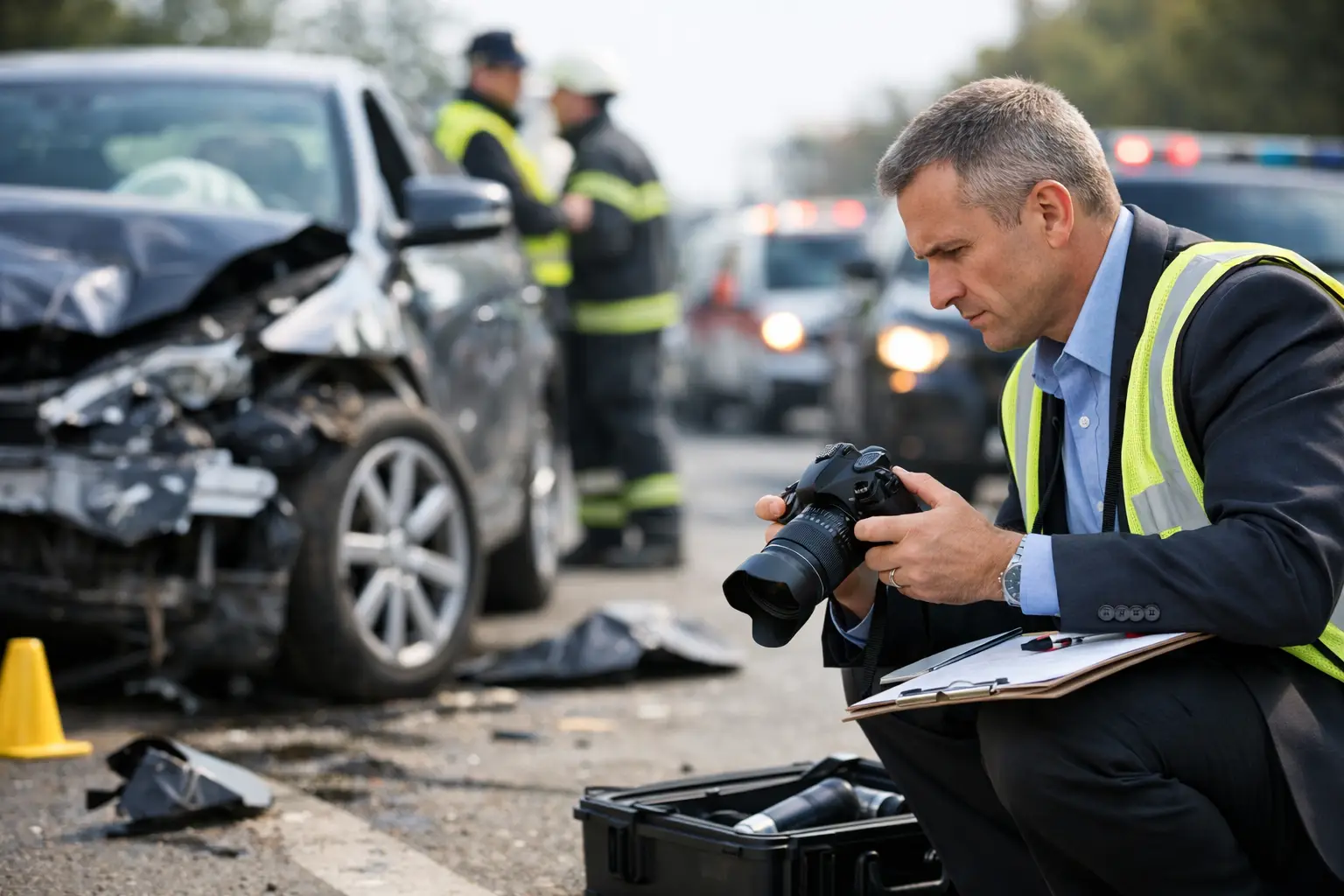
An accident investigation expert witness analyzes the physical, digital, and documentary evidence tied to an incident and then provides an informed professional opinion that can stand up in litigation. That work may begin at the scene, in a vehicle storage yard, at a construction site, or in a conference room reviewing records, depending on how much time has passed and what evidence remains available.
The role is broader than many people realize. It can include scene documentation, vehicle inspections, photo analysis, event timeline reconstruction, witness statement review, black box or electronic data interpretation, and evaluation of whether driving behavior, mechanical failure, roadway conditions, or human factors contributed to the event. In some cases, the expert also prepares reports, exhibits, and testimony for mediation, arbitration, or trial.
This is not the same as simply repeating what a police report says. Police officers perform an important public safety function, but their initial report is often created under time pressure and with limited access to later-developed evidence. An expert witness is brought in to go deeper, test assumptions, and explain causation in a way the court can evaluate.
Why expert analysis matters in disputed accident cases
Some cases are straightforward. Many are not. When liability is contested, injuries are severe, or multiple parties are involved, small details become decisive.
A commercial truck may have been speeding, but inadequate maintenance might also have played a role. A driver may insist they had the right of way, yet sightline limitations or signal timing could complicate that claim. A fall at a worksite may look accidental at first glance, but site conditions, supervision failures, or equipment misuse may tell a different story.
That is why experienced legal teams often bring in an accident investigation expert witness early. Early involvement helps preserve fragile evidence and allows the case theory to develop around verified facts instead of assumptions. It also reduces the risk of building a claim on witness memory alone, which can shift over time.
For clients, this matters because the consequences are rarely limited to vehicle damage. Medical costs, lost income, permanent disability, business losses, and future care needs may all depend on proving exactly what happened and why.
The evidence an accident investigation expert witness looks for
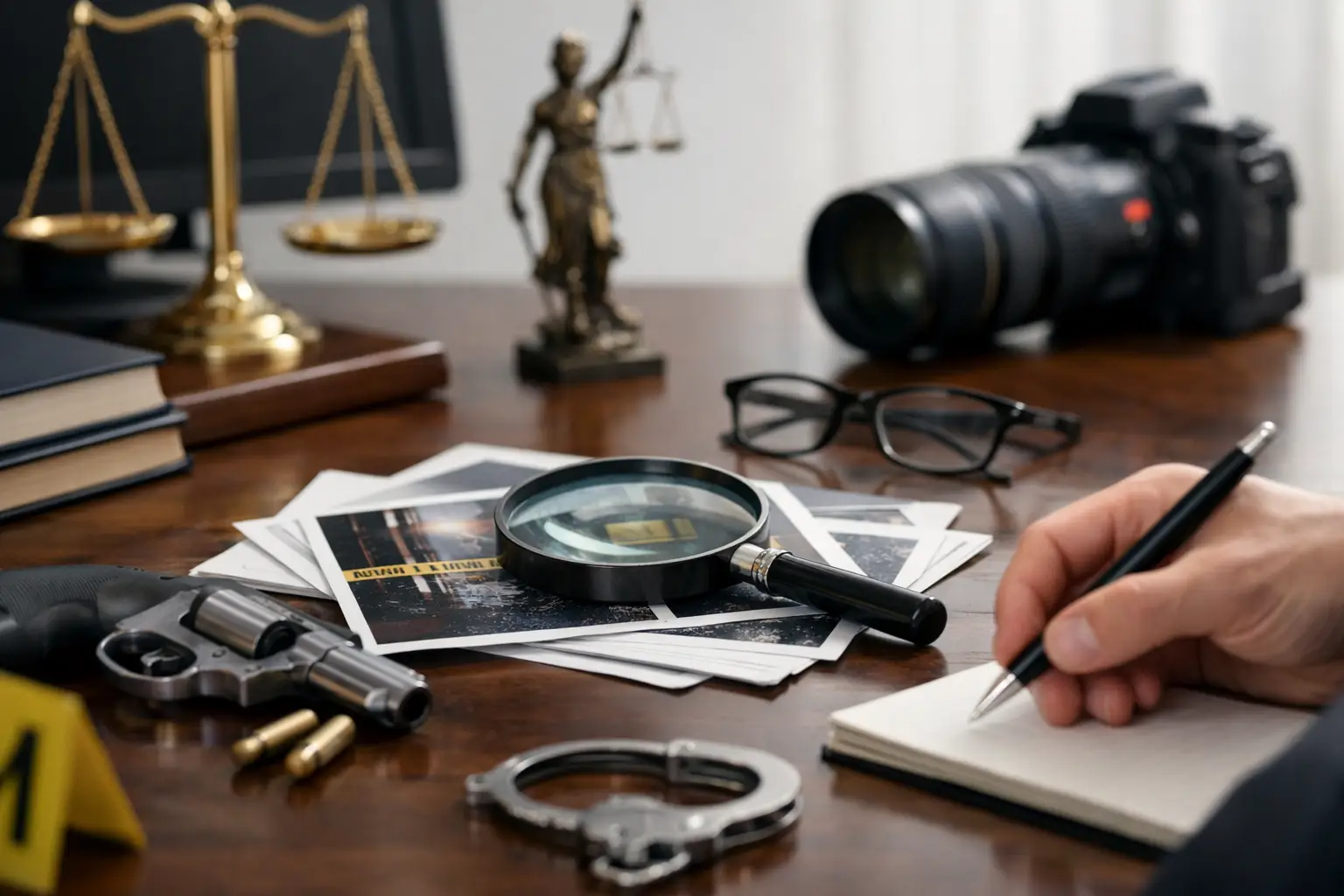
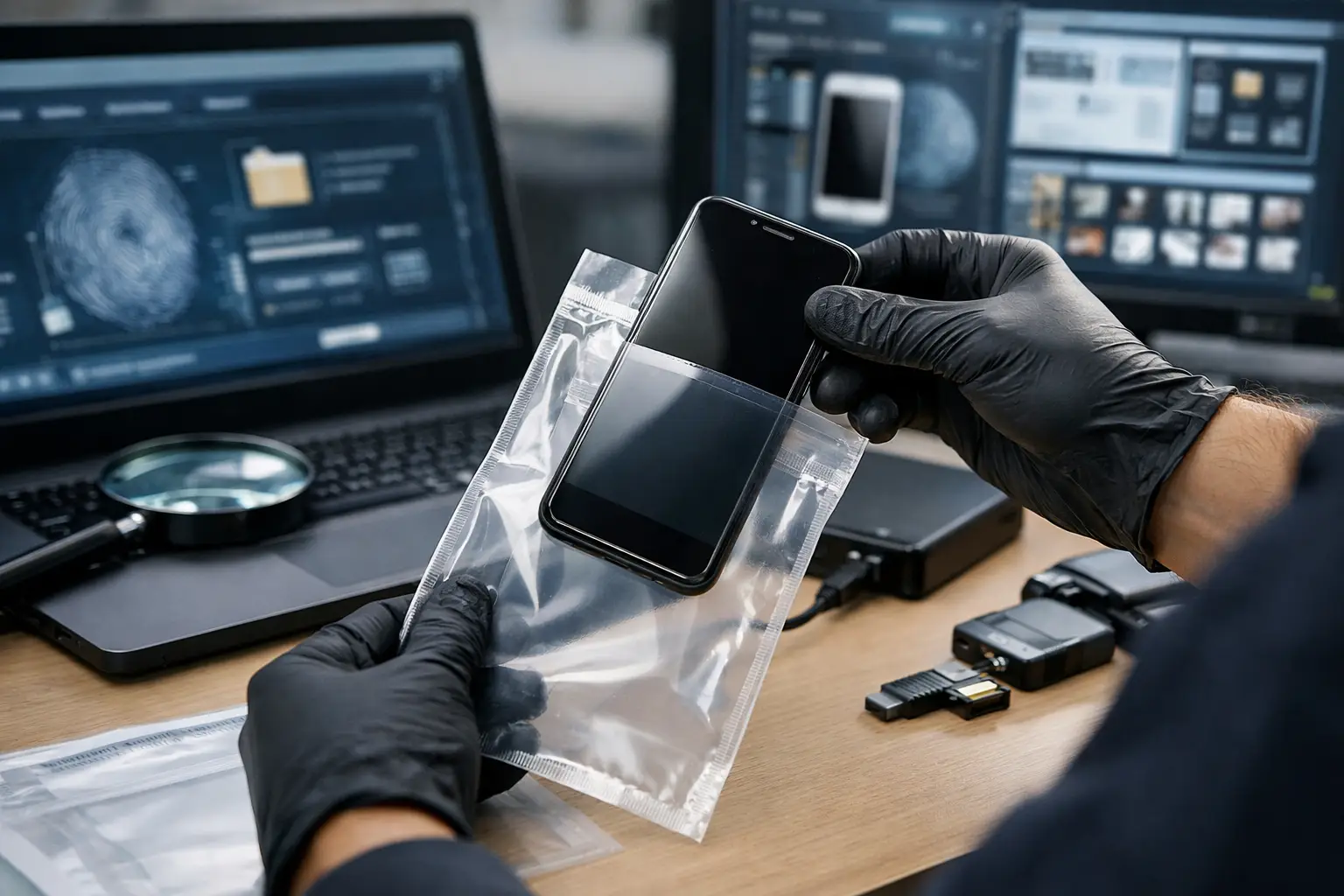
A credible opinion starts with evidence that can be documented, verified, and explained. Depending on the case, the expert may assess roadway gouges, skid marks, debris patterns, crush damage, point of impact, surveillance footage, GPS data, electronic control module information, maintenance files, dispatch records, phone records, weather reports, and post-accident inspections.
Witness statements still matter, but they are only one part of the picture. People misjudge speed, distance, and timing all the time, especially in sudden or traumatic events. Physical evidence often resolves those conflicts better than memory can.
In serious cases, timing is critical. Vehicles get repaired. Scene conditions change. Video footage is overwritten. Businesses discard records under routine retention policies. If an expert is retained too late, key proof may already be gone. That does not always end the case, but it can make the analysis narrower and the opinion more vulnerable to challenge.
When to bring in an accident investigation expert witness
The right time is usually earlier than clients expect. If the accident involved catastrophic injuries, a fatality, a commercial vehicle, a company-owned fleet unit, conflicting accounts, suspected fraud, or a potential product or maintenance issue, expert review should be considered immediately.
The same is true when there are concerns about scene contamination or when one side appears to be shaping the narrative aggressively. Once a version of events hardens in claims handling or litigation, correcting it can become more expensive and more difficult.
Attorneys often engage an expert during pre-suit investigation, but private clients and businesses may also need one before a lawsuit is filed. A prompt independent investigation can help preserve evidence, identify additional witnesses, and clarify whether a matter should proceed to litigation, settlement, or internal risk review.
What makes an expert credible in court
Not every investigator is qualified to serve as an expert witness. Courts and opposing counsel will examine the expert’s background closely, including training, methodology, experience, report quality, prior testimony, and ability to explain conclusions clearly.
A credible accident investigation expert witness should have substantial field experience, a disciplined evidence-handling process, and the judgment to stay within the limits of the available facts. Overstatement damages credibility. So does advocacy disguised as analysis.
The strongest experts do not force the evidence to fit a client’s preferred outcome. They follow the evidence where it leads and explain both the strengths and the limitations of their conclusions. That approach tends to hold up better under deposition and cross-examination.
For law firms and institutional clients, professionalism matters as much as technical skill. Deadlines, chain of custody, documentation standards, courtroom demeanor, and responsiveness all affect whether the expert strengthens the case or creates additional problems.
Common cases where this expertise is used
Motor vehicle collisions are the most obvious setting, but they are far from the only one. Accident investigation expert witness services may be used in truck crashes, motorcycle collisions, pedestrian impacts, rideshare incidents, workplace accidents, premises liability matters, construction accidents, industrial incidents, and equipment-related injury claims.
Some matters also overlap with fraud or staged loss concerns. In those situations, the expert may be asked not only how an event occurred, but whether the claimed sequence of events is even consistent with the physical evidence. That distinction can be pivotal for insurers, businesses, and defense counsel.
In California and especially in dense, high-traffic areas like Los Angeles, accident cases often involve multiple data sources, heavy surveillance exposure, and complex roadway conditions. Urban traffic patterns, delivery fleets, distracted driving, and high-value injury claims can all increase the need for disciplined, defensible investigation.
Choosing the right accident investigation expert witness
This is not a decision to make based on price alone. A lower-cost opinion that fails under scrutiny can cost far more later. What clients and attorneys should look for is relevant experience, investigative depth, clear communication, and a reputation for discretion.
Ask practical questions. Has the expert handled similar incidents? Do they understand both investigative work and courtroom expectations? Can they identify what evidence must be preserved now? Are their conclusions likely to be understandable to a judge or jury, not just another technician?
It also helps to work with professionals who understand the larger legal and emotional context of the case. The best experts do not lose sight of the fact that behind every file are real people dealing with injury, uncertainty, financial pressure, or exposure to liability.
At firms such as Kay & Associates Investigations, that standard matters. Experience, confidentiality, and disciplined case handling are not marketing points. They are the foundation of work that may later be tested in court.
A clear answer can change the direction of a case
When the facts are disputed, clarity has real value. A well-supported expert opinion can strengthen settlement negotiations, expose weak claims, support trial strategy, or prevent a client from pursuing the wrong theory altogether.
That does not mean every case needs a sweeping reconstruction or a lengthy report. Sometimes the right answer is narrow. Sometimes the evidence supports only limited conclusions. A seasoned accident investigation expert witness knows the difference and gives an opinion that is useful because it is honest, precise, and grounded in proof.
If you are facing a serious accident claim, the key question is not whether someone has an opinion. It is whether that opinion can be defended when every detail is challenged. In cases where the truth must be proven, careful investigation is often the difference between speculation and evidence.





Locating and Serving a Person Hard to Find for Legal Action says: