


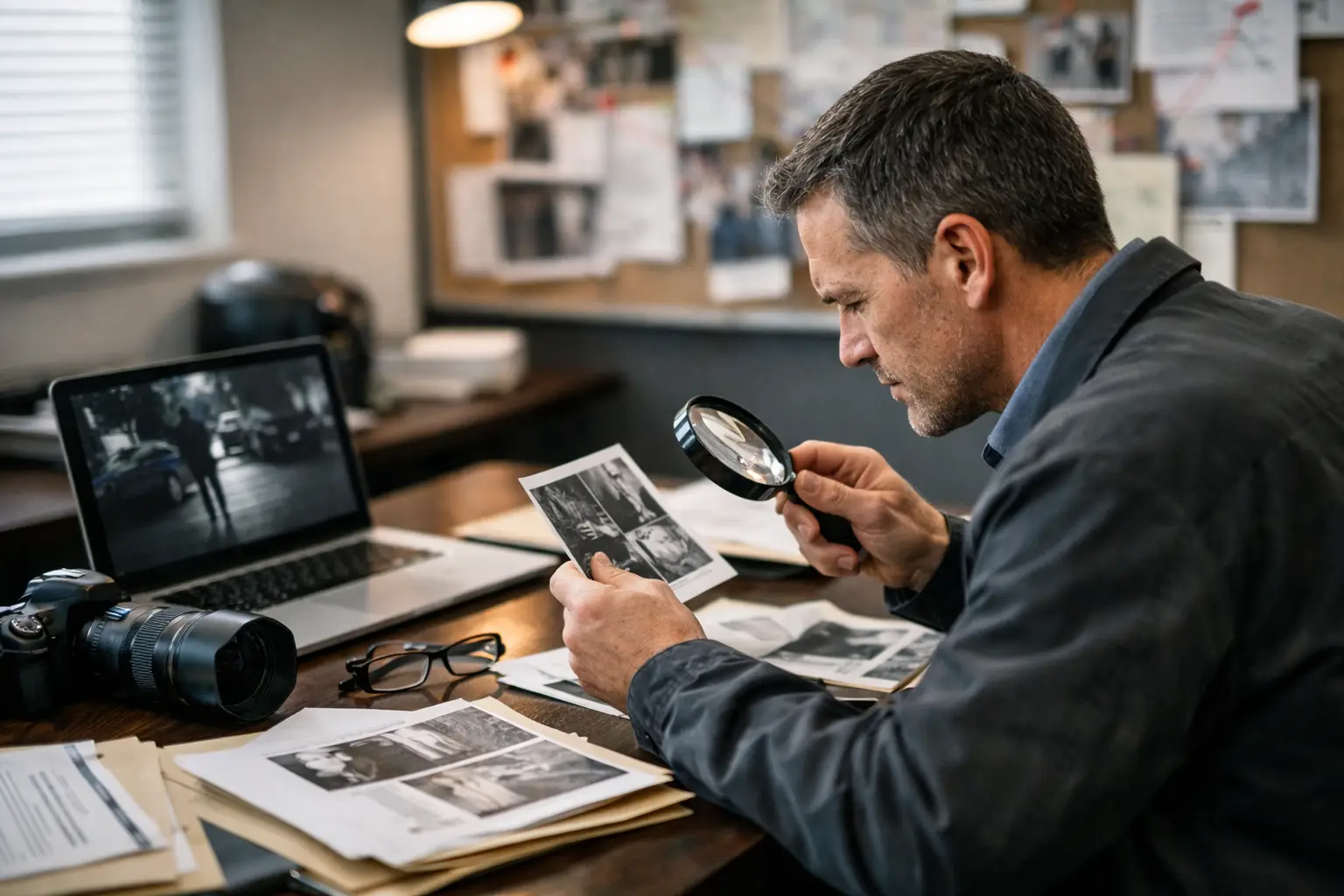
What a Criminal Defense Investigator Does
When a criminal case turns on one statement, one video clip, or one witness account, assumptions get people hurt. A criminal defense investigator works in the part of the case where facts are either verified or exposed. For defendants, families, and defense attorneys, that work can make the difference between a theory and a defensible case.
A lot of people assume the police report tells the full story. It rarely does. Reports are written from one angle, often early in the investigation, and sometimes before all witnesses are identified or all evidence is properly tested. Defense cases are strongest when someone is assigned to examine what was missed, what was rushed, and what does not add up.
What a criminal defense investigator actually does
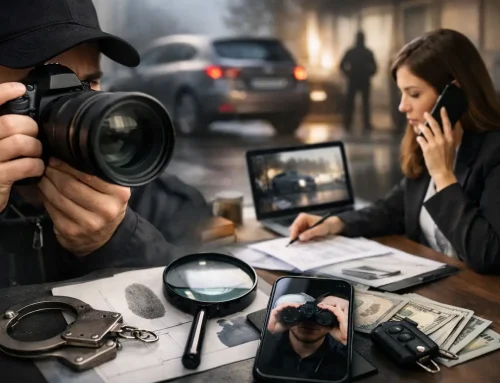
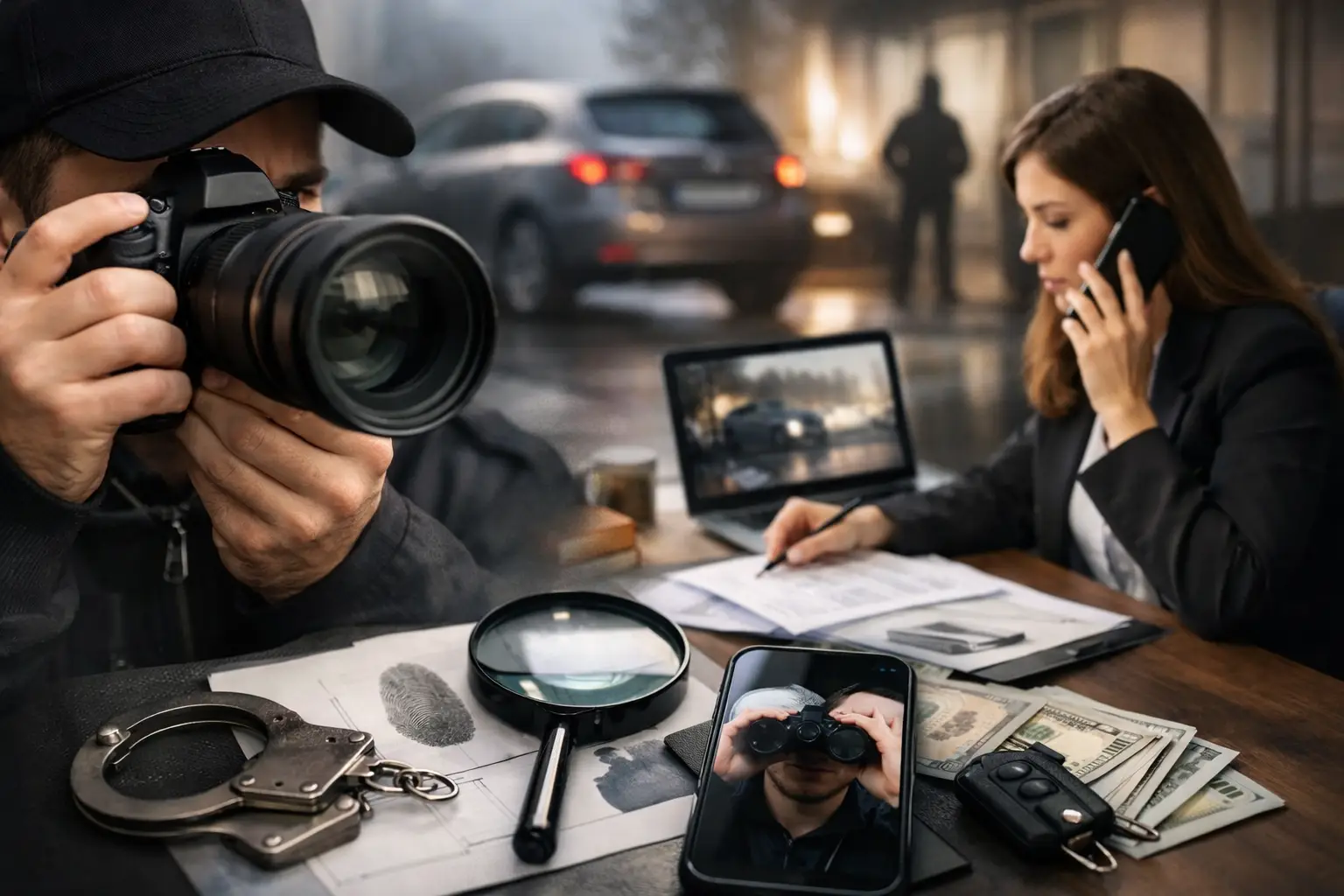
A criminal defense investigator is not there to interfere with law enforcement or create confusion. The job is to find facts, preserve evidence, locate witnesses, document inconsistencies, and give defense counsel a clearer picture of what really happened. That can include field investigation, recorded statements when appropriate, surveillance review, scene analysis, background research, timeline reconstruction, and coordination with experts.
In practice, the work is often less dramatic than television suggests and far more detailed. An investigator may spend hours verifying whether a witness could actually see what they claimed to see, whether a timeline is realistic, or whether digital evidence matches the narrative in the charging documents. Small details matter. Lighting, distance, camera angles, prior statements, and omitted context can all change how a case should be defended.
This role is especially important because defense attorneys need usable facts, not speculation. A seasoned investigator helps separate what can be proven from what is merely suspected. That protects both the legal strategy and the client.
Why defense-side investigation matters early
Timing changes everything in criminal cases. Witness memories fade quickly. Surveillance footage is overwritten. Phone data can disappear. Physical scenes change. If the defense waits too long to investigate, valuable evidence may be gone before anyone knows it existed.
Early investigation also helps counsel make better decisions from the beginning. It can affect whether charges are challenged, whether pretrial motions are filed, whether a witness should be interviewed again, or whether the case should be approached for negotiation or trial. There is no universal rule here. Some cases benefit from immediate aggressive fact development, while others require a quieter, more measured approach to avoid alerting the wrong people. It depends on the charge, the evidence, and the legal posture of the case.
That is why experienced firms treat criminal defense support as strategic work, not administrative support. The right investigative steps at the right time can protect opportunities that cannot be recreated later.
Key tasks in a criminal defense investigation
Witness work is often at the center of the assignment. People change their accounts, leave things out, or repeat what they think happened rather than what they truly observed. A skilled investigator knows how to ask clear questions, document answers carefully, and compare those answers against prior statements and available records.
Scene investigation is another critical function. Visiting the location can reveal sightline issues, traffic patterns, entry and exit points, noise conditions, obstructions, and timing problems that are impossible to understand from paperwork alone. In some cases, the scene supports the prosecution. In others, it raises serious doubt. The point is not to force a result. The point is to document reality.
Records research can be just as important as fieldwork. Employment records, social media activity, call patterns, prior incidents, public filings, and background details may help establish motive, opportunity, bias, or credibility concerns. Done correctly, this work is disciplined and legally sensitive. Done poorly, it creates risk and noise.
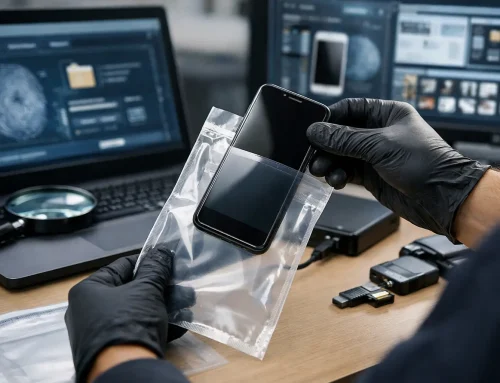
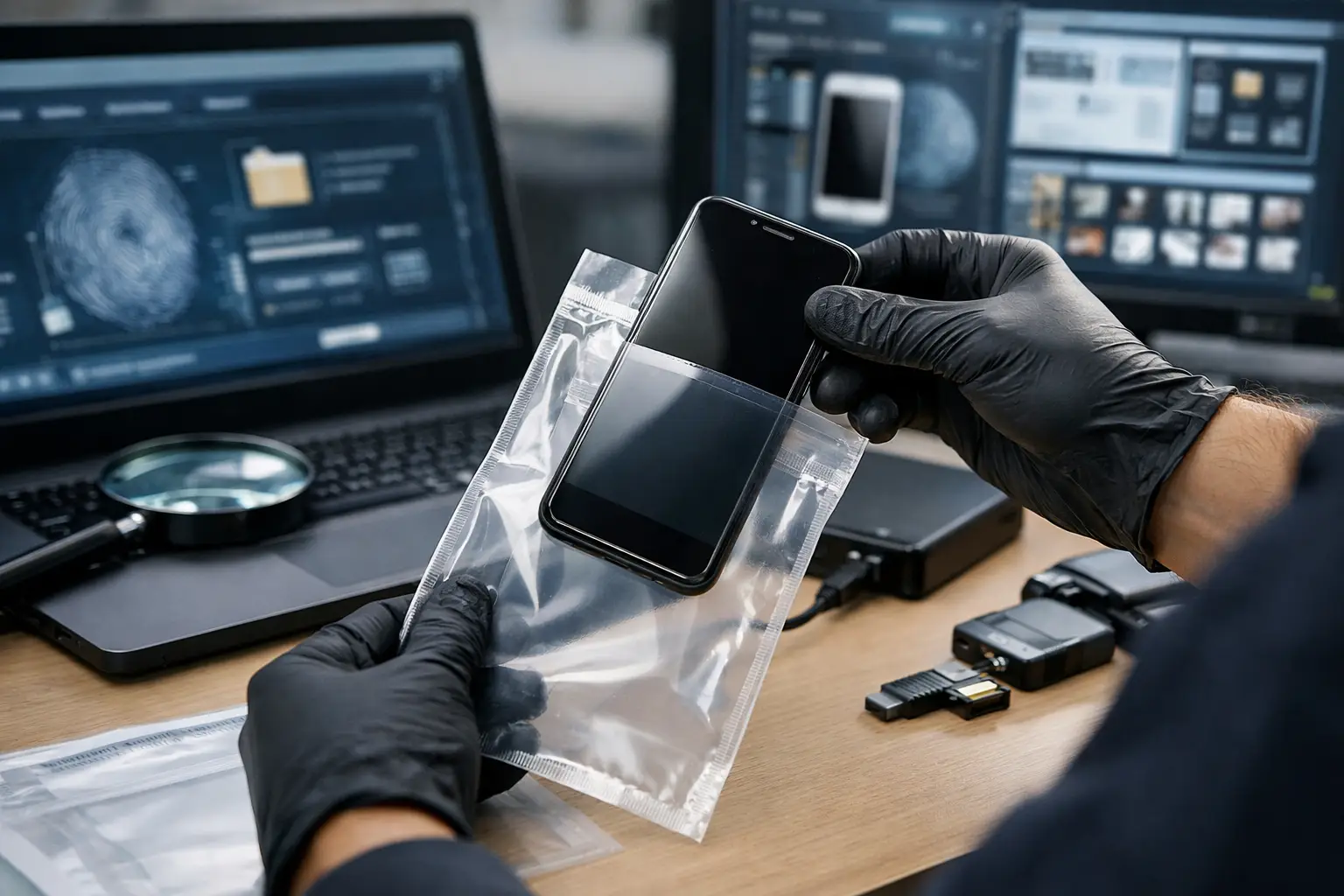
A criminal defense investigator may also assist with digital evidence review. Texts, location data, video timestamps, and online activity can either support an alibi or undermine a claim. Digital evidence is powerful, but it is also easy to misread without context. A timestamp alone does not always prove where someone was or what they were doing.
The difference between helpful evidence and risky evidence
Not every fact helps the defense. That is one reason experience matters.
A thorough investigation can uncover favorable witnesses, missing context, and procedural problems. It can also uncover information the client would rather not hear. Good investigators do not shape facts to fit a preferred outcome. They identify what is true, what is questionable, and what needs further testing so the legal team can make informed decisions.
That honesty is valuable. It is better to understand weaknesses early than to be surprised by them later. In real casework, credibility is built by accuracy, not by telling clients only what they want to hear.
When to hire a criminal defense investigator
The best time is usually earlier than people think. If charges are pending, if an arrest has been made, or if someone knows they are under investigation, waiting can cost the defense real opportunities. Even before formal charges, there may be reasons to preserve evidence or document facts while they are still accessible.
That said, not every case requires the same level of investigative activity. A straightforward misdemeanor may call for targeted witness interviews and records review. A serious felony, white-collar matter, or case involving conflicting digital evidence may require a far more extensive strategy. Scope should match the stakes.
For law firms, outside investigative support is often a practical decision. Attorneys need reliable fieldwork, documented findings, and someone who understands evidentiary discipline. For families, the reason is often more personal. They need answers fast, and they need those answers gathered legally and discreetly.
What to look for in a criminal defense investigator
Licensing is the first filter. In California, investigative work should be handled by a properly licensed professional or firm. That is not a marketing detail. It speaks to compliance, accountability, and professional standards.
Experience in criminal matters matters too, but the type of experience matters just as much. Someone familiar with witness interviews, statement analysis, surveillance review, evidence handling, and courtroom expectations is far more valuable than someone who only offers general private investigation services.
Discretion is essential. Criminal allegations can damage reputations, employment, family relationships, and future opportunities long before a case is resolved. Investigative work must be conducted with control and judgment. Loud tactics often create more problems than they solve.
It also helps to work with a firm that understands coordination. Defense investigations are rarely isolated tasks. They connect to attorneys, experts, deadlines, discovery issues, and evolving legal strategy. A mature investigative team knows how to fit into that structure without creating unnecessary friction. That is one reason many clients and law firms prefer licensed agencies with long tenure and investigators who have worked complex cases under pressure, including firms such as Kay & Associates Investigations.
Common misunderstandings about defense investigations
One common misunderstanding is that hiring an investigator signals guilt. It does not. It signals that the case is being taken seriously. The prosecution investigates. The defense should too.
Another misconception is that investigators can simply obtain any record or force any witness to cooperate. They cannot. There are legal limits, privacy restrictions, and practical realities. Ethical investigators know those boundaries and work effectively within them.
People also assume every criminal case turns on dramatic hidden evidence. Sometimes it does. More often, the value comes from disciplined verification. A timeline is corrected. A witness account weakens. A video is placed in better context. A false assumption is exposed. These are not flashy outcomes, but they are often the ones that matter most.
The real value of careful case development
Criminal cases create pressure fast. Families want reassurance. Defendants want quick answers. Attorneys need facts they can use. A professional investigation does not erase that pressure, but it gives the defense something solid to work with.
The right criminal defense investigator brings more than legwork. They bring structure to uncertainty, discipline to fact-finding, and a level of discretion that protects the client while the case is still unfolding. When the stakes include freedom, reputation, and future opportunity, careful investigation is not an extra step. It is part of protecting the case before assumptions become outcomes.
If you are facing allegations or supporting someone who is, the smartest next move is usually not louder arguments. It is better facts, gathered early, handled professionally, and tested before they matter most.

Locating and Serving a Person Hard to Find for Legal Action says: