


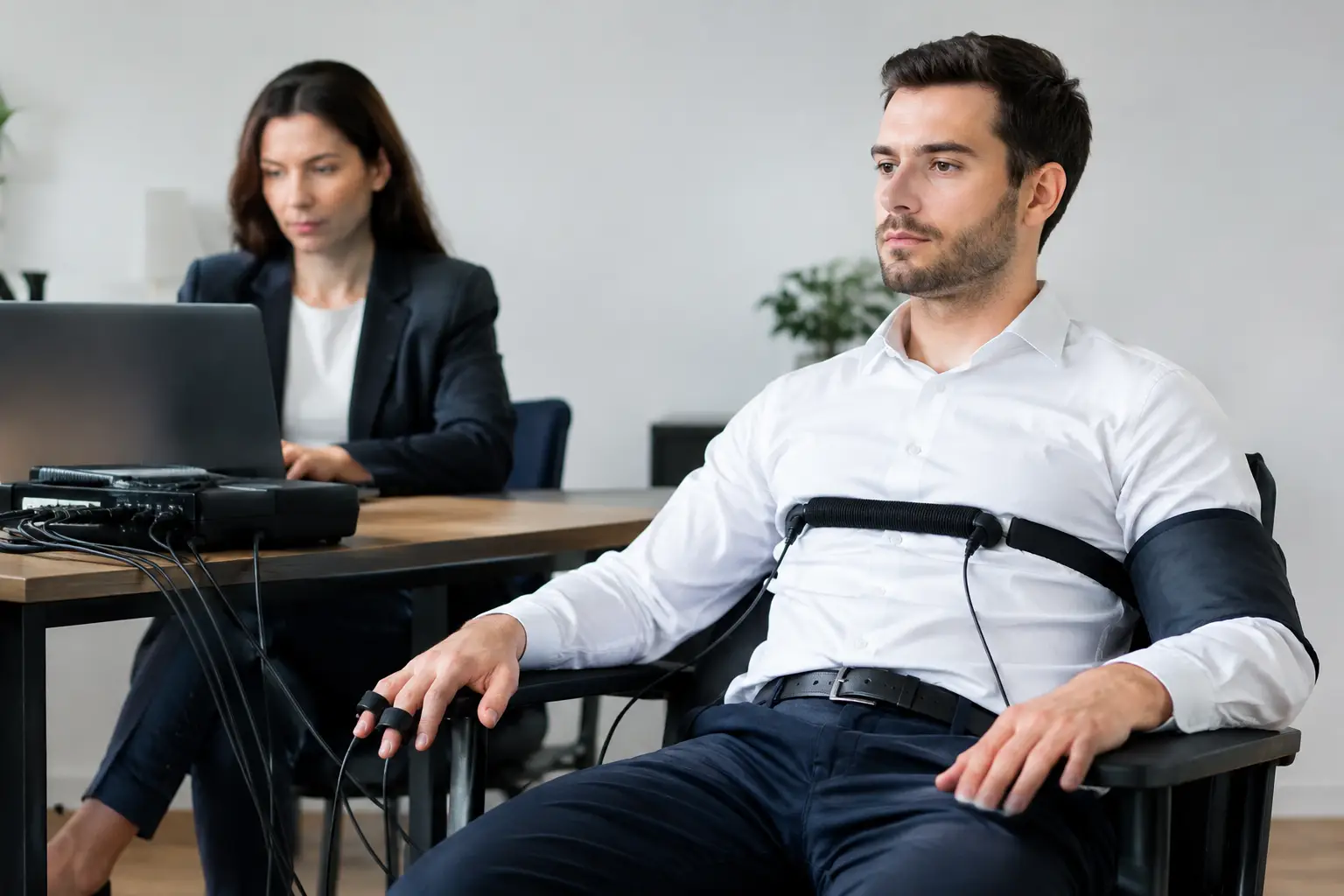
What Happens During a Polygraph Examination?
A polygraph appointment is not an interrogation scene from television. It is a structured, private process designed to document physiological responses while a trained examiner asks carefully prepared questions. For people facing an infidelity concern, a family dispute, an internal theft allegation, or another high-stakes matter, understanding what happens during a polygraph examination can reduce uncertainty before the appointment begins.
A professionally administered examination takes preparation, informed consent, and clear communication. It also has limits. A polygraph does not read minds, and it should never be treated as a substitute for a complete investigation, credible documentation, or legal advice.
What happens during a polygraph examination?
Most examinations have three stages: a pre-test interview, the recorded test phase, and a post-test discussion. The full appointment often takes one and a half to three hours, although the actual question-and-answer testing portion is usually much shorter.
The examiner’s job is not simply to ask whether someone is telling the truth. The examiner first establishes the exact issue being evaluated, makes sure the person understands each relevant question, records physiological data during the testing phase, and evaluates the results using accepted scoring methods. The quality of the process depends heavily on the examiner’s training, the clarity of the questions, and whether the issue can be fairly reduced to specific, answerable facts.
The private pre-test interview
The examination usually begins with a confidential conversation. The examiner explains the process, obtains consent, reviews the purpose of the test, and discusses the topics that may be covered. The person being tested should have an opportunity to ask questions before any equipment is attached or any formal testing begins.
This interview is also where the examiner learns whether there are medical, emotional, or practical circumstances that could affect the session. Prescription medications, recent illness, pain, lack of sleep, anxiety, and substance use may be relevant. These factors do not automatically prevent a polygraph examination, but they should be disclosed honestly so the examiner can determine whether proceeding is appropriate.
The examiner will review the facts surrounding the matter and narrow broad concerns into direct questions. For example, a question such as, “Have you ever been unfaithful?” may be too broad to produce a meaningful examination unless the time period, relationship, and conduct are clearly defined. A better question may address a specific allegation during a specific timeframe.
This preparation matters. Vague, emotionally loaded, or surprising questions can create confusion rather than useful data. A qualified examiner reviews every relevant question in advance, so there should be no hidden questions during the recorded phase.
Consent and voluntary participation
A legitimate private polygraph examination requires voluntary participation. The person being tested should understand what the test concerns and agree to take part. Coercion, threats, or misleading representations undermine both the fairness of the process and the value of the results.
In sensitive family and employment matters, consent deserves particular care. A spouse, partner, employee, or witness may feel pressure to participate, but the decision remains their own. If legal rights or a pending criminal matter are involved, the individual should speak with an attorney before agreeing to an examination.
How the polygraph records responses
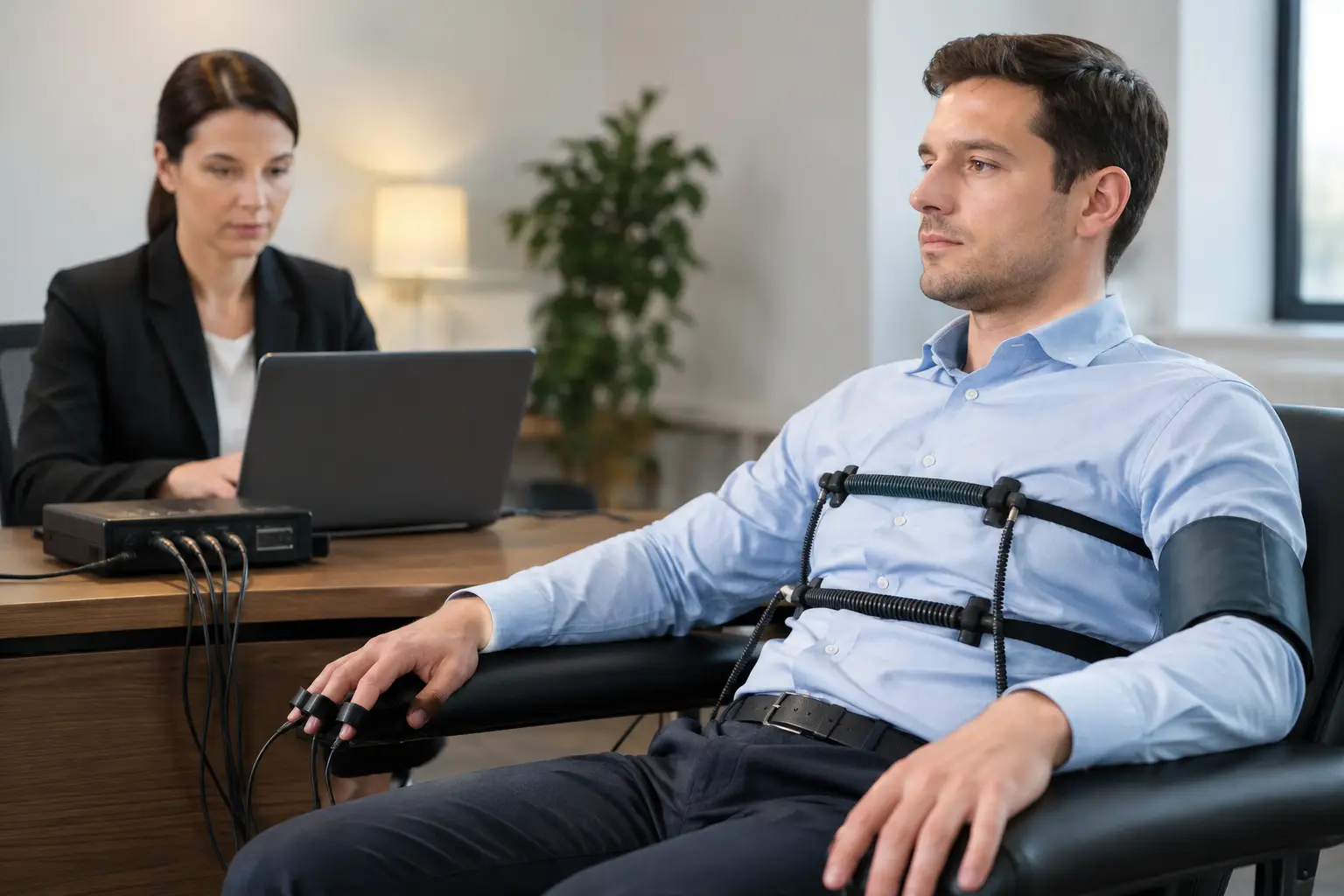
Once the pre-test interview is complete, the examiner attaches noninvasive sensors. Depending on the instrument and testing format, these may measure breathing patterns, cardiovascular activity, perspiration-related skin conductance, and movement. The equipment does not detect a lie. It records physiological changes that may occur when a person responds to questions.
The person is generally seated comfortably and asked to remain still. The examiner gives straightforward instructions, including how to answer. Most questions call for a simple yes or no response. The examiner may first use an acquaintance or demonstration test to confirm that the equipment is working properly and that the individual understands the procedure.
During the recorded portion, the examiner asks a series of questions in a controlled order. Some questions address the matter being investigated. Others provide comparison points that help the examiner evaluate response patterns. The same relevant questions may be asked across multiple charts to produce enough data for analysis.
The test itself is usually quiet and methodical. There is no need to guess at the examiner’s expectations or try to explain an answer while the charts are being recorded. If a person does not understand a question, they should say so before answering. Clear communication is far more useful than attempting to manage or outthink the process.
The questions are the foundation of the test
A polygraph is only as useful as the questions it is designed to address. A well-framed examination focuses on a limited number of material issues rather than attempting to resolve every concern in a complicated relationship, workplace conflict, or legal dispute.
For an alleged theft, the relevant issue might be whether the person removed a defined item or took money from a defined location. For an infidelity matter, the questions may address a particular person, conduct, or period of time. For a corporate investigation, the issue could involve disclosure of confidential information, falsification of records, or participation in a known fraudulent transaction.
A skilled examiner avoids questions that are compound, ambiguous, or dependent on personal interpretations. Asking whether someone was “loyal” or “honest” is far less reliable than asking about a specific action. This is one reason a professional consultation before the examination can be valuable: it helps identify the facts that can actually be tested.
What happens after the recorded test
After the final chart is recorded, the examiner reviews and scores the data. Some results may support a finding of no significant deception indicated, significant deception indicated, or an inconclusive result. Inconclusive does not mean a person lied. It means the recorded data did not support a reliable conclusion under the testing conditions.
The examiner may discuss the results with the examinee after scoring, depending on the circumstances and the agreed process. In some matters, a post-test interview gives the person an opportunity to address an inconsistency, clarify a fact, or provide information that was not known before the examination.
The client may receive a report or verbal findings based on the scope of the engagement. Before the appointment, clarify who will receive results, what form the findings will take, and whether the information may be shared with an attorney, employer, spouse, or another authorized party. Confidentiality should be discussed before testing, not after a difficult result is delivered.
Results have value, but they also have limits
Polygraph results can provide useful investigative direction. They may help a client assess a statement, identify areas requiring further inquiry, support a decision about where to focus surveillance or records review, or encourage a fuller disclosure. They are not a guaranteed final answer to every dispute.
Results can be affected by poorly drafted questions, inadequate examiner qualifications, a participant’s physical or emotional condition, and the complexity of the underlying issue. A person can be nervous while telling the truth. Another person may appear calm while being deceptive. Professional protocols are designed to account for ordinary stress, but no testing method is infallible.
Legal admissibility also depends on the jurisdiction, the type of proceeding, and the circumstances of the case. Polygraph evidence is often restricted or excluded in court, and its use in employment settings may be subject to federal and state law. Anyone considering a polygraph in connection with a lawsuit, criminal allegation, custody case, or workplace action should obtain legal guidance first.
How to prepare for a polygraph appointment
The best preparation is simple: get reasonable rest, eat normally unless instructed otherwise, arrive on time, and be candid during the pre-test interview. Bring any information requested by the examiner, such as a timeline, relevant names, or documents that help define the issue.
Do not attempt to manipulate the examination through internet tactics, physical discomfort, controlled breathing, or other countermeasures. Those efforts can interfere with the test and may lead to an inconclusive result or termination of the session. They also distract from the real purpose of the process: obtaining clear, professionally evaluated information.
It is equally wise not to treat a polygraph as a way to force a personal resolution. In relationship and family matters, results may bring relief, but they can also raise new questions. Consider in advance what information you need, what decisions you may face afterward, and whether other evidence should be reviewed alongside the examination.
For clients who need discretion and a carefully tailored process, Kay & Associates Investigations approaches polygraph matters as one part of a broader investigative strategy. The right next step is not always a test. Sometimes it is a confidential consultation to determine whether a polygraph, records review, surveillance, digital evidence, or another investigative method is best suited to the facts.
A well-conducted polygraph examination should leave you with a clearer understanding of the issue, the meaning of the findings, and the practical options available to you. When the matter affects your family, reputation, business, or legal position, choose a process that treats both the evidence and your privacy with the care they deserve.








Locating and Serving a Person Hard to Find for Legal Action says: