


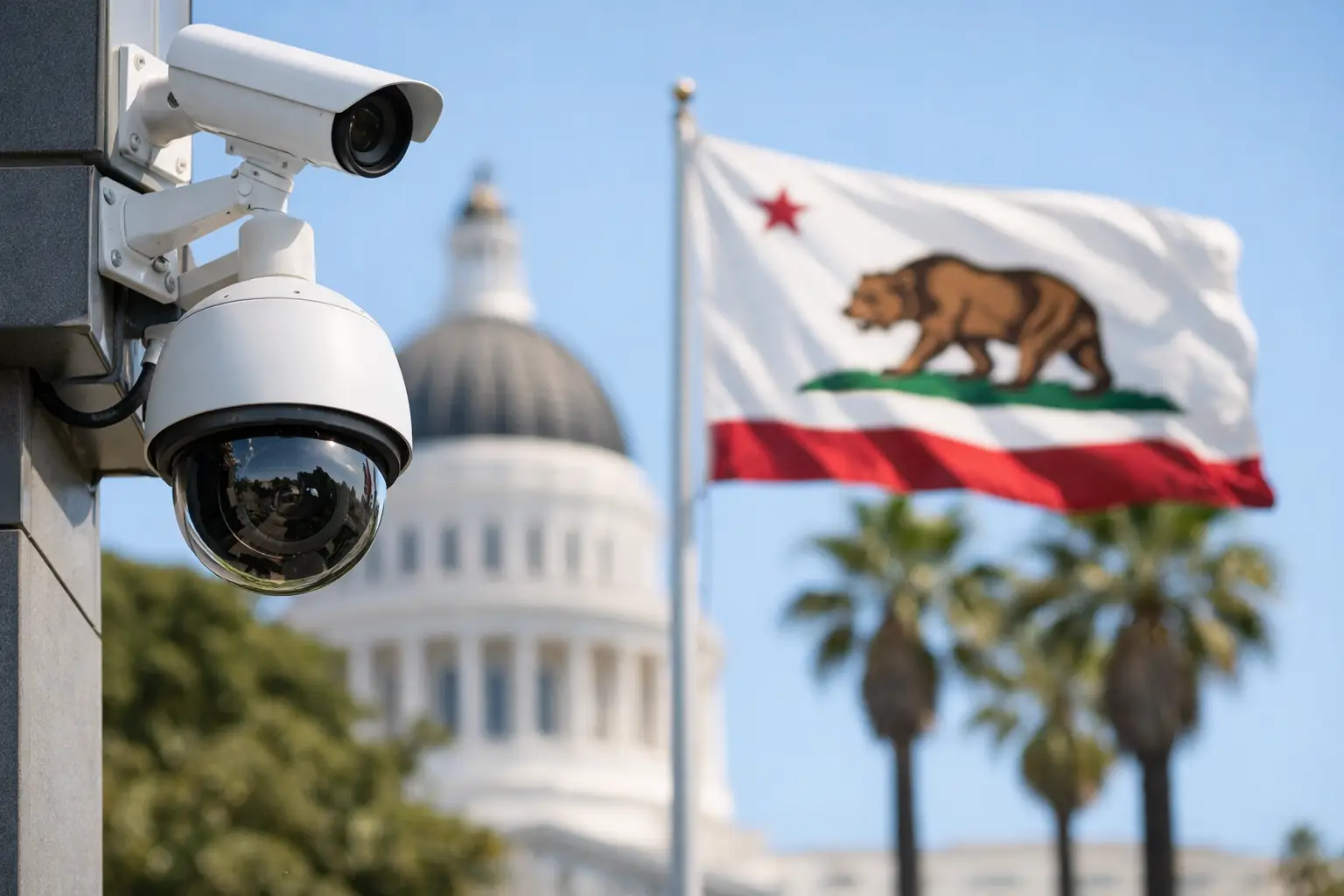
Is Surveillance Legal in California?
A single video clip can help settle a custody dispute, expose insurance fraud, or confirm whether a business partner is being honest. That same clip, if gathered the wrong way, can also create legal problems of its own. So when people ask, is surveillance legal in California, the honest answer is yes – but only within clear limits.
California allows surveillance in many circumstances, but legality depends on how the information is gathered, where the subject is located, what is being recorded, and whether the person being watched has a reasonable expectation of privacy. Those details matter. They are the difference between lawful evidence and conduct that can damage a case.
Is surveillance legal in California in general?
In broad terms, surveillance is legal in California when it is conducted in public spaces or in other settings where there is no reasonable expectation of privacy. Observing a person in public, photographing them in open view, or documenting activities visible from a lawful vantage point is often permitted.
That does not mean anything goes. California has some of the strongest privacy protections in the country. The state takes a serious view of hidden recording, audio interception, trespassing, stalking, harassment, and intrusive monitoring in private settings. Surveillance becomes risky when someone confuses suspicion with permission.
The practical rule is simple. Watching and documenting what a person openly does in public is often lawful. Secretly intruding into private life is where legal exposure begins.
The key issue: reasonable expectation of privacy
Most surveillance questions come back to one legal concept: reasonable expectation of privacy. If a person is in a place where privacy is expected, recording or monitoring them may be illegal. If they are in public, visible to anyone nearby, the law usually gives much more room to observe.
For example, someone entering a restaurant, walking through a parking lot, or driving on public roads is generally in public view. By contrast, recording inside a private home, peering through closed fencing, or using devices to capture what is intentionally concealed can trigger serious legal issues.
This is why surveillance planning cannot be casual. Two scenarios may look similar on the surface but have very different legal consequences based on angle, location, equipment, and intent.
Audio recording is where many people get into trouble
California is a two-party consent state for confidential communications. That means recording a private conversation without the consent of all parties can violate state law. This is one of the most common mistakes made by private individuals trying to gather their own evidence.
A person may think, “I will just leave a recorder in the car,” or “I will record a phone call to prove what was said.” In California, that can backfire quickly. Even if the motivation feels justified, the method may still be unlawful.
Video surveillance and audio surveillance are not treated the same way. Silent video in a lawful setting may be allowed where secret audio would not be. That distinction is critical in family law matters, workplace disputes, and domestic investigations.
Where surveillance is often legal
There are many legitimate uses of surveillance in California. Insurance investigations, infidelity matters, child custody disputes, fraud investigations, and asset protection cases often involve lawful observation. In these situations, the subject is typically monitored in public or in places visible without intrusion.
A licensed investigator may document movement, associations, routines, transactions, or conduct that is relevant to a case. This can include photography, video, witness canvassing, timeline reconstruction, and coordinated field observation. The work is not about sensational tactics. It is about legally collecting information that can stand up to scrutiny.
Employers and businesses also use surveillance in lawful ways, particularly to investigate theft, policy violations, workers’ compensation fraud, or misconduct affecting operations. Again, the setting and method matter. Monitoring a public-facing business area is very different from secretly recording in a private office, restroom, or break area where privacy concerns are higher.
Where surveillance crosses the line
The fastest way to turn surveillance into a liability is to ignore privacy boundaries. Entering private property without permission, placing hidden cameras in bedrooms or bathrooms, planting tracking or listening devices without legal authority, or repeatedly following someone in a way that amounts to harassment can all create serious exposure.
Digital surveillance also creates risks. Accessing another person’s password-protected accounts, reading private communications without authorization, or installing software to monitor a device can lead to civil and criminal consequences. People often assume that because they share a home, pay a phone bill, or suspect misconduct, they have the right to monitor everything. That assumption is dangerous.
California courts do not reward self-help tactics that violate privacy laws. Even when a person believes they are uncovering the truth, unlawful collection methods can undermine the value of the evidence and create a new legal problem.
Surveillance in divorce, custody, and infidelity cases
These are some of the most emotionally charged matters we see, and they are also where people are most tempted to act on impulse. A spouse who suspects cheating, a parent worried about a child’s safety, or a party preparing for custody litigation may feel pressure to gather proof quickly.
Surveillance can be legal and useful in these cases, but only when it is done properly. Documenting public conduct, travel patterns, overnight stays, visible parenting behavior, or activity inconsistent with a person’s claims may be lawful and relevant. Secretly recording private conversations inside a home or placing hidden devices on someone without legal guidance is another matter entirely.
In custody cases especially, the goal should not be to create drama. It should be to document facts that speak to safety, stability, judgment, and the child’s best interests.
Can you conduct surveillance yourself?
Technically, some forms of self-conducted observation are legal. A private citizen can observe what happens in public and take note of what they personally witness. But that does not mean self-directed surveillance is wise.
People who try to handle it themselves often make avoidable mistakes. They trespass without realizing it. They record audio illegally. They follow too closely and attract attention. They escalate tension with the subject. In family matters, they may also put themselves in emotional or physical danger.
There is also the credibility problem. Evidence is more useful when it is gathered methodically, documented clearly, and obtained by someone who understands legal boundaries. In high-stakes matters, the issue is not just whether you can collect information. It is whether that information will help your position instead of harming it.
Why licensed investigators matter in California
California is not a state where clients should rely on guesswork. Surveillance that supports litigation, negotiation, corporate protection, or family law strategy must be handled with discipline.
A licensed private investigator understands lawful vantage points, documentation standards, privacy restrictions, and how to adapt strategy when conditions change. That includes knowing when not to push further. Restraint is part of professional surveillance. So is maintaining discretion, preserving chain of information, and avoiding conduct that could taint a case.
For clients, that means less risk and better decision-making. A seasoned investigator is not simply gathering footage. They are helping protect the integrity of the matter as a whole. Firms such as Kay & Associates Investigations approach surveillance with that standard in mind, especially in cases where evidence may later be reviewed by attorneys, insurers, employers, or the court.
What to ask before starting surveillance
Before any surveillance begins, the right question is not just whether it can be done. The better question is whether it can be done legally, safely, and in a way that actually serves the case.
That requires clarity about the purpose of the investigation, the locations involved, the type of conduct being documented, and whether audio, digital activity, vehicle movement, or private-property issues are part of the request. It also requires honesty about what the client already knows versus what they assume.
Sometimes surveillance is the right tool. Sometimes background research, witness interviews, digital forensics, or asset investigation will produce better results with less legal risk. The strongest investigative plans are tailored, not improvised.
If you are facing a situation involving suspected infidelity, fraud, custody concerns, employee misconduct, or other sensitive issues, slow down before acting on instinct. In California, surveillance can be legal and effective, but only when it respects the law as much as the objective. The right evidence should answer questions, not create new ones.








Locating and Serving a Person Hard to Find for Legal Action says: