


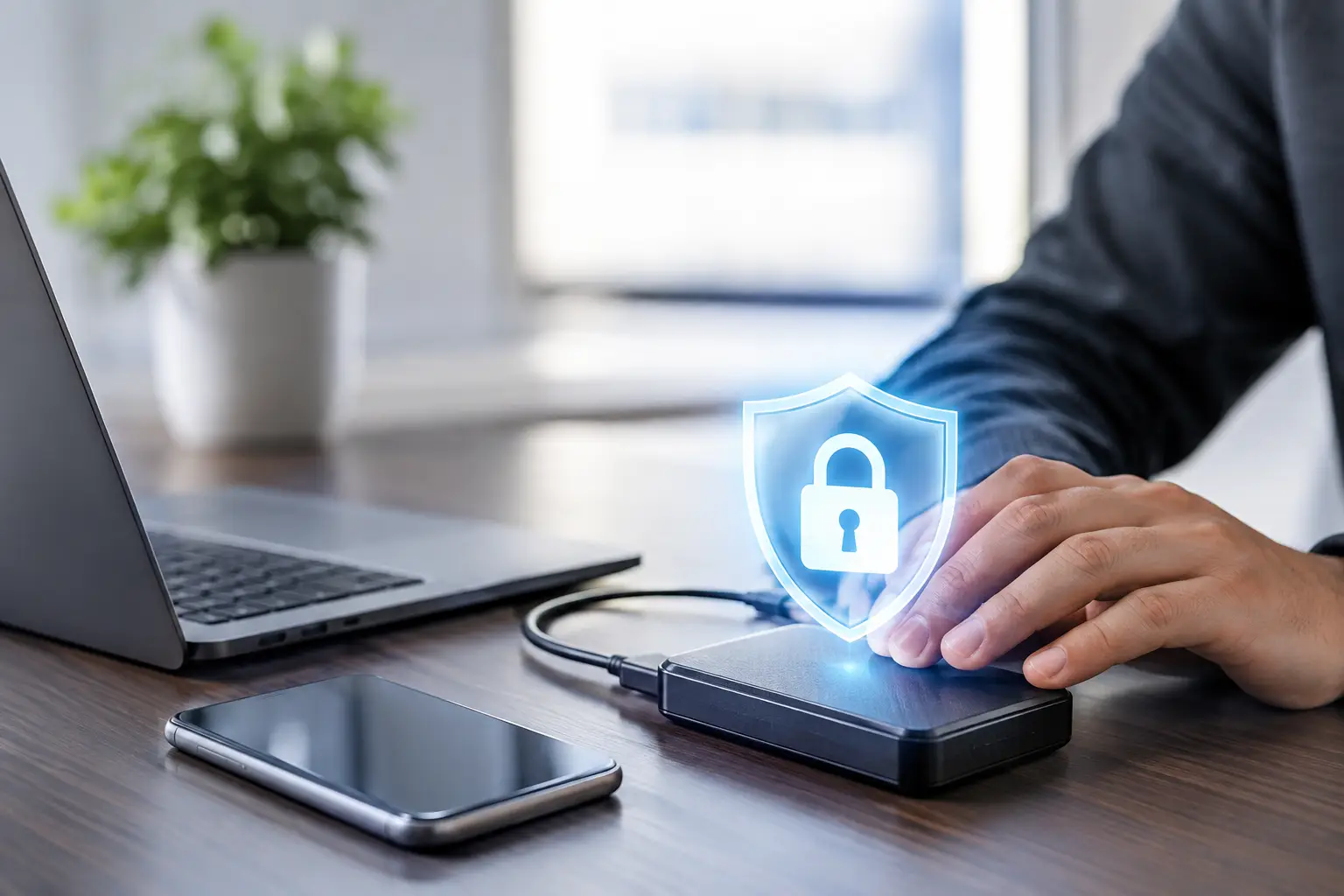
How to Secure Digital Evidence Without Losing It
A single deleted text, altered timestamp, or overwritten file can change the direction of a divorce, custody, fraud, or corporate investigation. Knowing how to secure digital evidence is not simply about saving screenshots. It is about preserving information in a way that protects its authenticity, respects privacy laws, and gives your attorney or investigator something they can meaningfully evaluate.
Digital evidence can be powerful, but it is also fragile. Phones sync, apps update, social media posts disappear, and well-intended efforts to “clean up” a device can permanently destroy the very information a case needs. The right first steps can preserve options. The wrong ones can create legal exposure or make reliable evidence difficult to establish later.
How to Secure Digital Evidence: First Actions
When you find potentially relevant information, slow down. Do not confront the person involved, post the material online, or begin changing account settings in a rush. Preserve what you lawfully have access to, then obtain professional guidance before taking more aggressive action.
Start by documenting the circumstances. Record the date and time you found the information, the device or account where it appeared, who has control of that device, and what you observed. Use plain, factual language. For example, write that you saw a message thread on a shared tablet at 8:15 p.m., rather than writing conclusions about what the messages prove.
If the information is visible on a screen, capture it carefully. Screenshots can be useful, particularly when they show the full screen, account name or phone number, date, time, and relevant context. Take several images if necessary to show the progression of a conversation. Avoid cropping, drawing on, annotating, or filtering the original captures.
Screenshots alone are rarely the full answer. They may omit metadata, fail to establish who controlled an account, or be challenged as incomplete. They are a temporary preservation measure, not a substitute for a sound forensic process.
Preserve the Original Device and File
The original source often matters more than the copy. A message exported from the phone where it was received, an original email with headers, or an unedited video file generally carries more investigative value than a forwarded version.
If you lawfully own or control the device, preserve it in its current condition. Do not factory-reset it, install cleanup software, delete applications, or allow someone else to “look through it” casually. Avoid logging into accounts on the device if doing so may trigger synchronization, deletion, or changes to read receipts.
There is a practical trade-off with phones. Turning a device off may protect it from remote deletion, but it can also make later access more difficult if you do not know the passcode or if encryption settings are involved. Leaving it connected can allow new data to overwrite older information or permit someone to remotely alter an account. The appropriate step depends on the device, the urgency, and whether there is a credible risk of remote access.
When possible, place the device in a secure location and restrict access. Note who handled it and when. A qualified digital forensic examiner can advise on the safest preservation method, including whether network isolation is appropriate.
Keep a Clear Chain of Custody
Chain of custody means documenting the path evidence takes from the moment it is found until it is reviewed, analyzed, or produced in a legal matter. It is one of the clearest ways to show that material was not altered, substituted, or mishandled.
Create a simple evidence log. Identify the item, where it came from, when it was collected, who collected it, where it is stored, and every person who receives it afterward. For a phone, include the make, model, color, condition, phone number if known, and any identifying details visible on the device. For files, retain the original filename, file type, date created or modified if available, and the storage location.
Keep original files separate from working copies. If you need to review a video or share documents with counsel, make a copy and leave the original untouched. Do not rename originals unless a forensic professional instructs you to do so. A filename may seem minor, but it can be relevant when reconstructing where a file came from and how it was handled.
For high-stakes matters, forensic examiners may create a verified forensic image and calculate a hash value, which functions like a digital fingerprint. If the data changes, the hash changes. That process can help demonstrate that the examined copy matches the original source.
Save Context, Not Just the Most Damaging Item
A single message, photo, or social media post can be misleading without context. Secure the surrounding conversation, profile information, visible dates, and related communications. If a threatening message appears in a thread, preserve the messages before and after it. If a post appears on a social platform, document the account name, URL if available, date, time, comments, and any related pages that establish identity or intent.
Context is also important for video and audio. Preserve the full recording whenever possible, not just a clipped excerpt. A shortened file may be relevant, but it can invite questions about whether critical material was removed.
Do not edit audio to make voices clearer, enhance photos with consumer applications, or combine separate screenshots into a single image. Those steps may be understandable, but they complicate later authentication. A professional can create demonstrative copies when needed while retaining the unaltered original.
Respect Access Limits and Privacy Laws
Evidence is only helpful if it is obtained lawfully. Accessing another adult’s private email, cloud storage, social media, financial accounts, or password-protected phone without authorization can expose you to serious legal consequences. This is especially sensitive in California, where privacy protections are significant and facts vary widely from case to case.
Shared access does not always mean unlimited permission. A shared family computer, jointly paid phone plan, or known password does not automatically authorize a person to enter every account or retrieve every category of data. Do not install spyware, record private communications unlawfully, guess passwords, impersonate another person, or create false accounts to gain access.
If you are concerned about a spouse, employee, business partner, or family member, preserve only what you can lawfully see or possess. Then speak with an attorney or licensed investigator about legal options. In some matters, records may be obtained through appropriate legal process rather than private account access.
Handle Cloud, Email, and Social Media Evidence Carefully
Cloud-based information can change quickly. Emails can be recalled or deleted, shared documents can be revised, and social media content can vanish without notice. If you are authorized to access an account, preserve relevant material in its native form where possible. Download original files, retain full email messages rather than forwarding only the text, and document account details and timestamps.
Do not rely solely on a platform’s temporary notifications. A notification that says someone posted or sent a message is not the same as the underlying content. Capture the content itself, along with the account information that connects it to a person or organization.
For businesses, preserve relevant devices and accounts promptly once a fraud concern, employee dispute, or litigation risk is identified. A targeted preservation step is often better than a broad internal search that alerts the subject or changes the data. Management should coordinate with counsel, IT personnel, and qualified investigators before collecting employee data, particularly when personal devices or third-party platforms are involved.
Know When Professional Collection Is Worth It
Professional assistance is most valuable when evidence may be used in court, when substantial money or child safety is involved, when there is a risk of deletion, or when you need to establish who created, sent, received, or modified information. It is also appropriate when you are unsure whether access is lawful.
A licensed investigator can help develop a case-specific collection plan, coordinate with counsel, document findings, and identify evidence that may otherwise be overlooked. Forensic work is not always necessary for every screenshot or disputed message. It depends on the stakes, the source, and how strongly the other side is likely to challenge authenticity.
Kay & Associates Investigations approaches digital matters with the same discretion required in sensitive family, financial, and corporate cases. The objective is not to collect everything possible. It is to preserve relevant information carefully, lawfully, and in a manner that supports informed decisions.
If you believe digital information may matter to your case, treat it as time-sensitive. Secure what you can lawfully preserve, keep it private, document each step, and seek qualified guidance before the evidence is altered, erased, or placed at further risk.








Locating and Serving a Person Hard to Find for Legal Action says: