



How to Choose the Best Fraud Investigators
A suspicious wire transfer, unexplained inventory loss, altered invoice, or missing business funds can put an individual or organization in a difficult position quickly. The best fraud investigators do more than confirm a suspicion. They identify what happened, preserve evidence properly, protect the client’s confidentiality, and help establish facts that can withstand legal scrutiny.
Fraud allegations carry real consequences. Acting too soon can damage a workplace, family relationship, business partnership, or legal case. Waiting too long can allow evidence to disappear and losses to grow. Choosing the right investigator means finding a licensed professional with the judgment, resources, and discipline to investigate without creating further risk.
What the Best Fraud Investigators Actually Do
Fraud investigations are not one-size-fits-all assignments. A suspected employee theft case requires a different approach than construction billing fraud, insurance fraud, embezzlement, identity theft, or a financial dispute between business partners. A qualified investigator starts by defining the allegation, the available records, the likely evidence sources, and the client’s legal objective.
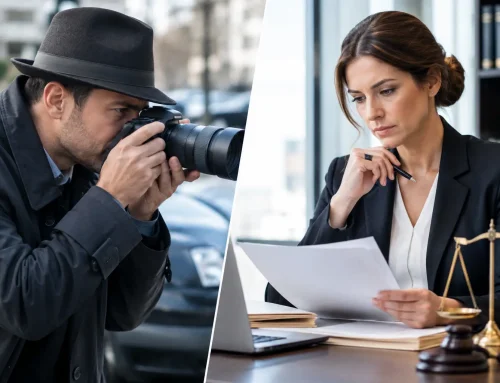
The work may include reviewing financial records, tracing assets, conducting discreet surveillance, interviewing witnesses, examining digital communications, analyzing social media activity, performing background research, and locating hidden relationships or undisclosed business interests. In more complex matters, investigators may coordinate with attorneys, forensic accountants, security professionals, or law enforcement when appropriate.
The goal is not to produce a dramatic accusation. It is to develop verified, legally obtained information. Good investigative work separates assumptions from evidence and gives the client a clear basis for the next decision.
Start With Licensing and Relevant Experience
A private investigator’s license is not a formality. It indicates that the investigator is operating under state rules governing professional conduct, recordkeeping, and investigative activity. Before retaining a firm, confirm that it is properly licensed in the jurisdiction where the work will occur and insured for the services it provides.
Experience should be equally specific. An investigator who is effective in domestic surveillance may not have the background needed to analyze vendor fraud, accounting irregularities, digital evidence, or asset concealment. Ask whether the agency has handled cases similar to yours and how it approaches the particular type of fraud involved.
Prior law enforcement, financial crimes, corporate security, or litigation support experience can be valuable, especially when a case may lead to civil litigation, criminal reporting, internal discipline, or insurance claims. Experience alone does not guarantee results, but it often shapes an investigator’s ability to recognize patterns, avoid unnecessary exposure, and pursue leads efficiently.
Ask How Evidence Will Be Collected and Protected
The strongest fraud case can be weakened by evidence collected carelessly. A professional investigator should be able to explain, in practical terms, how records, images, videos, statements, digital files, and investigative notes will be documented and preserved.
This matters because fraud cases frequently become disputes over credibility. If a former employee claims that documents were altered, a vendor denies receiving notice, or a spouse challenges the source of financial information, the client needs a reliable record of how the evidence was obtained. Detailed reporting, date and time documentation, original-file preservation, and clear investigative notes can be critical.
Digital evidence deserves particular attention. Text messages, emails, cloud files, online transactions, deleted social media activity, and device data can be highly relevant, but access must be lawful. An investigator should never encourage a client to guess passwords, enter an account without authorization, install spyware, or access private devices unlawfully. Information obtained illegally may create serious legal problems and can damage an otherwise valid case.
Look for a Strategy, Not a Sales Pitch
A professional fraud investigation begins with questions. What is known? What is suspected? Who has access? What records exist? Is there a deadline, ongoing loss, pending lawsuit, or immediate safety concern? The answers determine the scope of the work.
Be cautious of anyone who promises a particular result before reviewing the facts. Fraud is often concealed through small transactions, layered entities, misleading documentation, or carefully timed activity. A responsible investigator can explain a proposed strategy and likely areas of inquiry, but cannot honestly guarantee that a suspect will be caught or that assets will be recovered.
A thoughtful strategy also considers the client’s larger objective. A corporation may need to stop internal losses without alerting a suspect too early. A law firm may need evidence for a civil claim. A bank may need verified intelligence to support a fraud review. An individual may need answers before making a major financial or family decision. These objectives affect timing, methods, reporting, and the level of discretion required.
Understand the Trade-Off Between Speed and Depth
Clients often need answers immediately, particularly when money is moving or records may be destroyed. In urgent cases, an investigator may begin with rapid preservation steps, discreet observation, public-record research, or a focused review of available information. Quick action can be necessary, but it is not the same as a complete investigation.
A deeper financial investigation may require time to compare transactions, identify connected parties, review business filings, follow asset transfers, or examine a pattern across months or years. The right scope depends on the financial exposure and the intended use of the findings.
Ask for a clear explanation of priorities. What can be done first to reduce loss or preserve evidence? What will require additional time? What information should the client provide at the outset? This conversation helps prevent a common problem: paying for broad investigative activity before deciding what facts are actually needed.
Confidentiality Is Part of the Investigation
Fraud matters can affect reputations, employment, family relationships, investments, and pending legal proceedings. Discretion is not simply a courtesy. It is part of protecting the case.
A credible agency should explain who will have access to the case file, how communications will be handled, and how reports will be delivered. Clients should also be realistic about confidentiality. An investigator can protect information within the bounds of the law and professional practice, but a case may eventually require disclosure to an attorney, insurer, court, regulator, or law enforcement agency.
For corporate clients, confidentiality also requires careful internal coordination. Too many people aware of an investigation can compromise surveillance, prompt document destruction, or expose the company to claims of unfair treatment. A limited point of contact and a defined reporting process usually provide the best protection.
Questions Worth Asking Before You Retain an Investigator
Before making a decision, ask direct questions about licensing, relevant case experience, investigative methods, reporting, expected timeframes, confidentiality procedures, and fee structure. You should understand whether the matter will be handled by employees of the agency or assigned to outside contractors, and who will be responsible for supervising the case.
It is also reasonable to ask what the final work product will look like. Some clients need a concise factual report. Others need photographs, video, records analysis, witness statements, or an investigator prepared to explain findings to counsel. The right answer depends on the matter, but the deliverable should be discussed before work begins.
Price matters, but the lowest estimate is rarely the best measure of value in a fraud case. Incomplete work, vague documentation, or improper methods can cost far more than a careful investigation. Look for clear billing practices and a scope that can be adjusted as verified facts develop.
When Professional Help Is the Right Step
You do not need to prove fraud before contacting an investigator. You need a legitimate concern supported by enough information to identify what should be examined. Preserve the records you already have, avoid confronting a suspected person without advice, and do not alter or destroy potentially relevant material.
For clients facing sensitive personal, financial, or corporate concerns, Kay & Associates Investigations approaches each matter with a customized strategy, lawful evidence collection, and the discretion expected of a licensed agency. The right investigator will not rush you toward an accusation. They will help you move from uncertainty to verified facts, one careful step at a time.







Locating and Serving a Person Hard to Find for Legal Action says: