



What Does a Surveillance Investigator Do?
A person’s routine can answer questions that conversations cannot. When a custody arrangement is being disputed, an employee’s injury claim raises concerns, or a spouse’s behavior no longer matches the facts, people often ask: what does a surveillance investigator do? The answer is not simply “follow someone.” A qualified surveillance investigator plans carefully, observes legally, documents objectively, and delivers information a client or attorney can use with confidence.
For sensitive matters, the difference between suspicion and verified evidence can be significant. Professional surveillance is designed to establish facts while protecting the client’s confidentiality, safety, and legal position.
What Does a Surveillance Investigator Do During a Case?
A surveillance investigator gathers visual and factual evidence about a person’s activities, movements, associations, and behavior. The purpose depends on the assignment. A family-law attorney may need documentation relevant to child custody. A business may need to investigate suspected theft, time fraud, or a conflict of interest. An insurance carrier or defense attorney may need to verify activity connected to an injury claim.
The investigator does not decide guilt, determine custody, or make accusations. Their role is to observe and report what can be independently documented. That discipline matters. A credible case file distinguishes between what was seen, what was recorded, and what remains unknown.
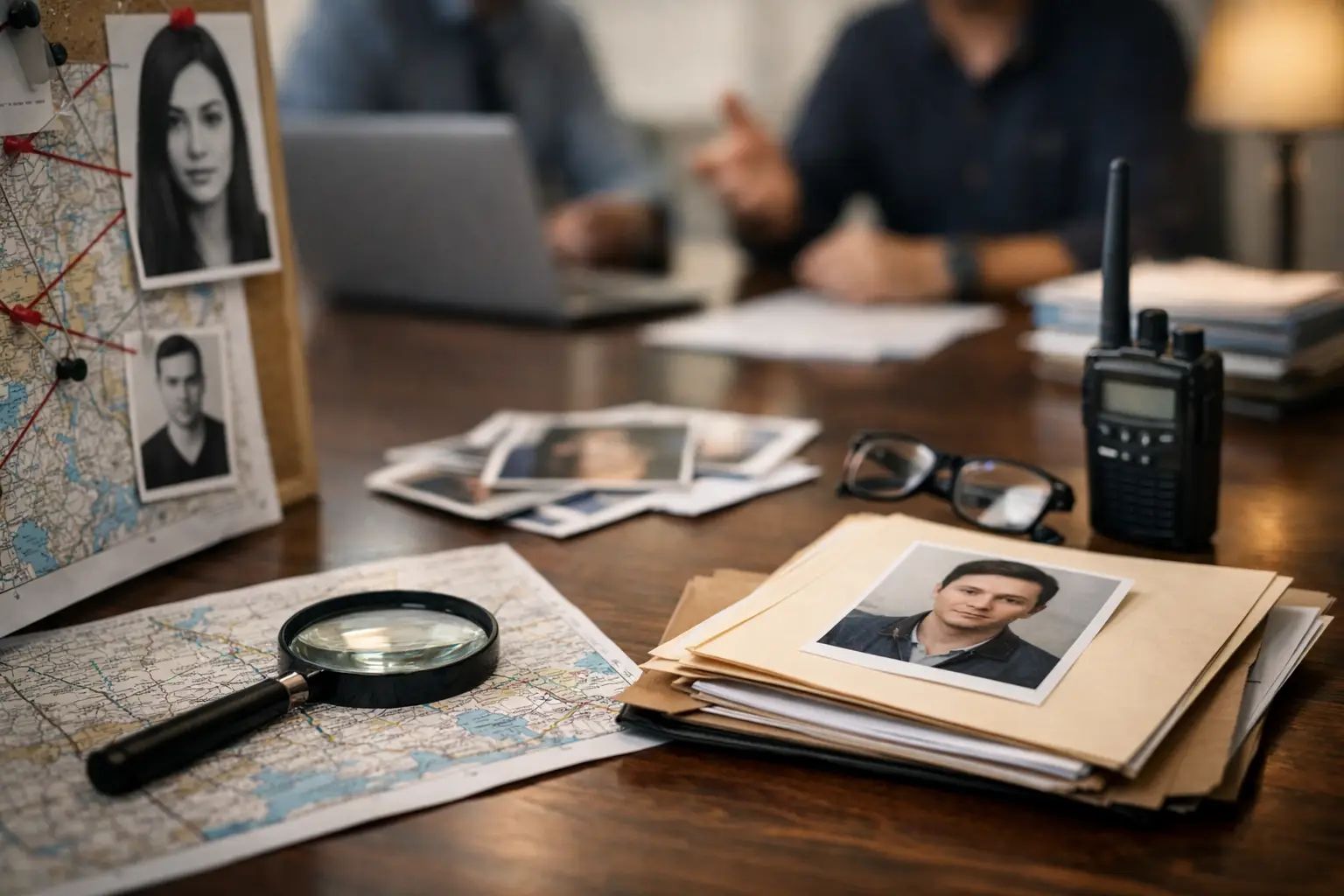
Before fieldwork begins, a licensed investigator reviews the client’s concerns, the available information, the target’s known schedule, likely locations, and the legal objectives of the case. Surveillance is then tailored to the circumstances. A case involving suspected infidelity may require evening or weekend observation. A workers’ compensation matter may require attention to physical activity over several dates. A child custody case may focus on caregiving conduct, driving practices, overnight visitors, or compliance with court-ordered restrictions.
Planning the Surveillance Strategy
Effective surveillance starts long before an investigator arrives near a location. Investigators assess the subject’s patterns, transportation, work hours, possible destinations, and the geography of the area. Los Angeles surveillance, for example, may require special consideration for traffic, dense neighborhoods, gated communities, parking limitations, and the number of routes a subject can take.
The plan also accounts for the possibility that a subject may be alert to observation. A single investigator is appropriate for some assignments. Others require a coordinated team, particularly when a subject is mobile or likely to enter locations with multiple exits. The goal is not dramatic pursuit. It is controlled, discreet observation that reduces the chance of losing the subject or compromising the assignment.
A careful plan also helps manage cost. Surveillance is often billed by time and resources used, so an experienced investigator will advise clients on the most productive days, times, and objectives rather than treating every hour as equally valuable.
Conducting Lawful, Discreet Observation
During surveillance, investigators may observe a subject in public places and document activity visible from lawful vantage points. They may follow a subject from a reasonable distance, monitor arrivals and departures, identify vehicles, and record interactions that are observable in public.
Professional investigators use patience as much as technology. A productive day can involve long periods of waiting, changing positions, confirming identities, and deciding when not to act. An investigator must remain alert without becoming intrusive, and must know when conditions make observation unsafe or impractical.
Licensed professionals work within legal and ethical boundaries. They do not trespass, break into accounts, place unlawful tracking devices, impersonate law enforcement, or record private conversations where consent laws prohibit it. The precise rules can vary by jurisdiction and circumstance, which is one reason clients should avoid do-it-yourself surveillance. An impulsive confrontation, unauthorized recording, or attempt to follow someone can create safety risks and potentially damage a legal matter.
The Evidence a Surveillance Investigator Collects
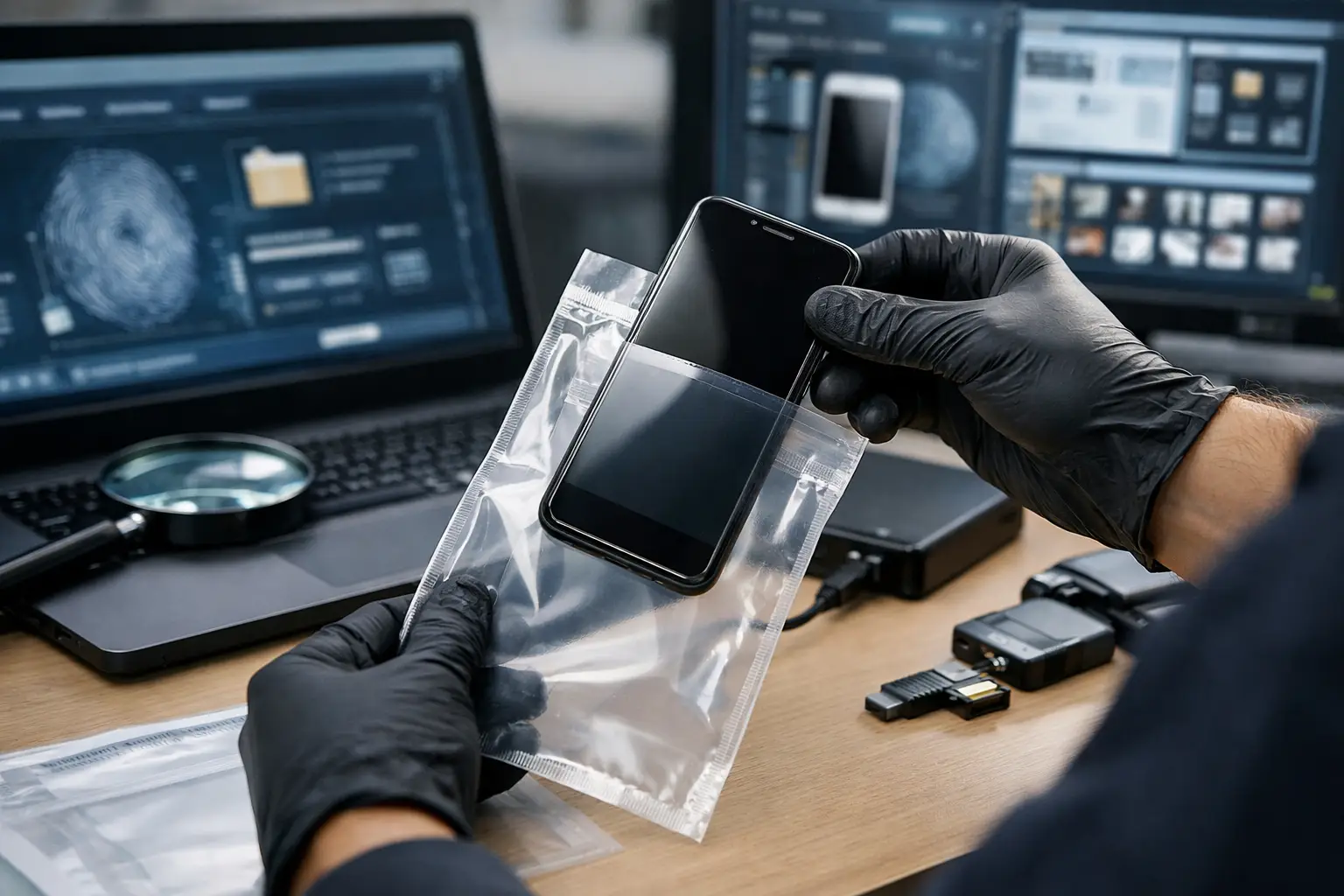
The central product of surveillance is documentation. Depending on the case and what can be lawfully observed, that may include photographs, video footage, time-stamped activity logs, vehicle information, location details, and a written report.
Quality is more important than volume. A useful report clearly identifies dates, times, locations, observed actions, and the basis for identifying the subject. Video should be organized and preserved so that its context is clear. A short clip without a documented date, location, or chain of events may have less value than a detailed report supported by properly captured footage.
In an injury-related investigation, for instance, the relevant evidence may show a claimant lifting heavy items, performing physical labor, or participating in an activity that appears inconsistent with reported limitations. That does not automatically prove fraud. Medical restrictions, diagnoses, and the full context still matter. The investigator’s responsibility is to provide accurate observations, not offer medical or legal conclusions.
Similarly, surveillance in a suspected infidelity matter may document meetings, travel, or overnight activity. It cannot reveal every private conversation or explain a relationship on its own. Clients deserve candor about those limits. Professional surveillance can provide verified facts, but no ethical investigator should promise a predetermined result.
How Surveillance Supports Personal and Business Matters
Surveillance is commonly associated with infidelity investigations, but its applications are much broader. It can support divorce and child custody cases, missing-person leads, employee misconduct inquiries, theft and fraud investigations, corporate asset protection, accident claims, and civil litigation.
For attorneys, professionally documented observations can help evaluate a claim, prepare for testimony, identify additional evidence, or decide whether settlement is appropriate. For employers and business owners, surveillance may help confirm whether company property is being misused, whether an employee is violating policy, or whether a suspected scheme has a factual basis.
For private clients, the value is often clarity. Uncertainty can lead people to search phones, follow a spouse, confront a neighbor, or rely on rumors. Those choices can escalate a difficult situation quickly. A discreet investigation gives a client a factual foundation before making personal, financial, or legal decisions.
Reports That Can Stand Up to Scrutiny
A surveillance report should be written as if it may eventually be reviewed by an attorney, insurer, judge, employer, or opposing party. It should be factual, chronological, and free from exaggeration. The investigator should be able to explain how the observation was made and identify the materials supporting the report.
If testimony is needed, an experienced investigator may be called to explain their methods and observations. That possibility makes licensing, training, and professional standards especially important. Evidence is only as useful as the credibility of the person who collected and documented it.
What Surveillance Investigators Cannot Do
Clients are sometimes surprised by the limits on surveillance, especially when they are facing an urgent or emotional situation. Investigators cannot guarantee they will observe misconduct on a particular day. A subject may change plans, remain indoors, use another vehicle, travel unexpectedly, or simply engage in no relevant activity during the surveillance period.
They also cannot lawfully access private spaces or communications without authorization. A professional investigator will explain what is possible, what is prohibited, and where another investigative service may be more appropriate. Background research, social media analysis, asset searches, digital forensics, witness interviews, or records research may complement surveillance when field observation alone cannot answer the client’s question.
The right approach depends on the objective. If the concern is whether a person is physically capable of certain activities, surveillance may be appropriate. If the concern is hidden financial activity, an asset or financial investigation may be more useful. If the concern is a missing loved one, surveillance may be only one part of a broader locate strategy.
Choosing a Surveillance Investigator You Can Trust
The most sensitive cases require more than a camera and a vehicle. Look for a properly licensed firm with established experience, clear reporting practices, and investigators who understand evidence handling and legal sensitivities. Ask how confidentiality is protected, how often you will receive updates, what costs are anticipated, and whether the firm can support counsel if the case enters litigation.
At Kay & Associates Investigations, surveillance assignments are built around the client’s specific concerns, not a one-size-fits-all script. The firm’s experienced investigators approach personal, corporate, and legal matters with discretion and respect for the stakes involved.
When the facts matter, the safest next step is not to take matters into your own hands. Speak with a licensed professional who can assess the circumstances privately and help determine whether surveillance is the right path forward.




Locating and Serving a Person Hard to Find for Legal Action says: