


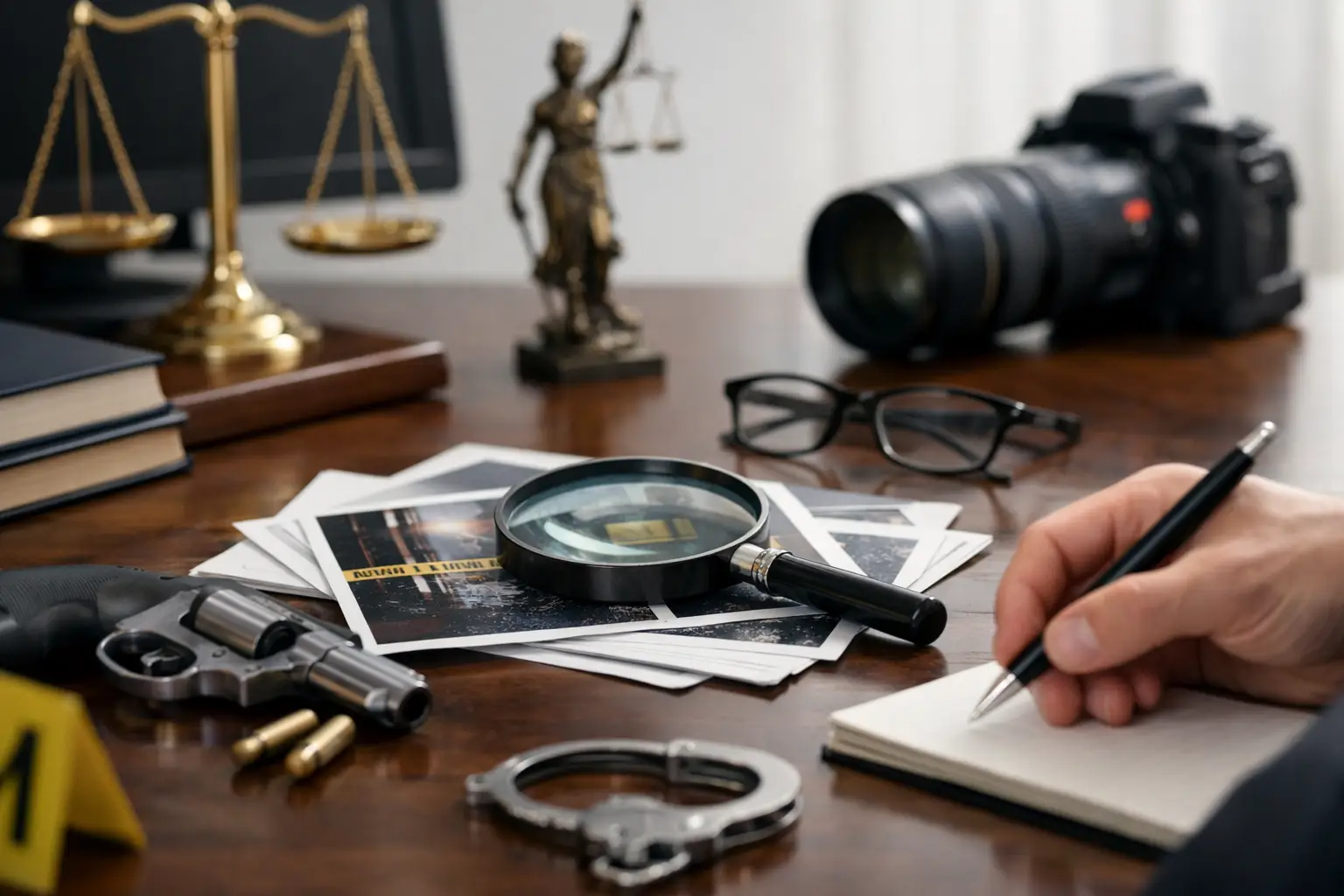
Guide to Criminal Defense Investigations
When the government starts building a case, it does so with time, resources, and a clear objective. A proper guide to criminal defense investigations begins with that reality. Defense investigations are not about theatrics or last-minute surprises. They are about finding facts early, testing the prosecution’s assumptions, preserving evidence before it disappears, and giving defense counsel a stronger foundation for strategy, negotiation, or trial.
For defendants, families, and attorneys, the stakes are obvious. A missed witness, a deleted message, an unchallenged timeline, or a surveillance camera that was never located can change the direction of a case. That is why criminal defense investigations require urgency, discretion, and a disciplined approach that respects both legal boundaries and the pressure clients are under.
What criminal defense investigations are really meant to do
A defense investigation is not simply an attempt to prove innocence in a broad, abstract sense. In many cases, the work is narrower and more precise. The goal may be to challenge identification, uncover impeachment material, verify an alibi, document a scene, locate digital evidence, or reveal facts that support mitigation rather than outright exoneration.
That distinction matters. Some cases turn on whether a witness could actually see what they claim they saw. Others turn on whether law enforcement missed alternate suspects, relied on incomplete records, or failed to preserve evidence. In white collar matters, the key issue may be intent, internal access, or document context. In violent crime cases, timing, movement, prior statements, and physical layout often carry more weight than assumptions made in the first police report.
A sound investigation gives the defense options. It can support a motion, expose weaknesses during plea discussions, or prepare a case for trial. Sometimes it confirms the prosecution has a stronger factual position than the client initially believed. That information is still useful, because good strategy depends on reality, not wishful thinking.
A practical guide to criminal defense investigations
The first step is defining the theory of defense clearly enough that the investigation has direction. That does not mean locking into one explanation too early. It means identifying the issues that need immediate attention. If the case involves an alleged assault outside a business, for example, surveillance recovery may be urgent because footage can be erased quickly. If the case involves digital communication, devices, account access, and message history may need prompt preservation.
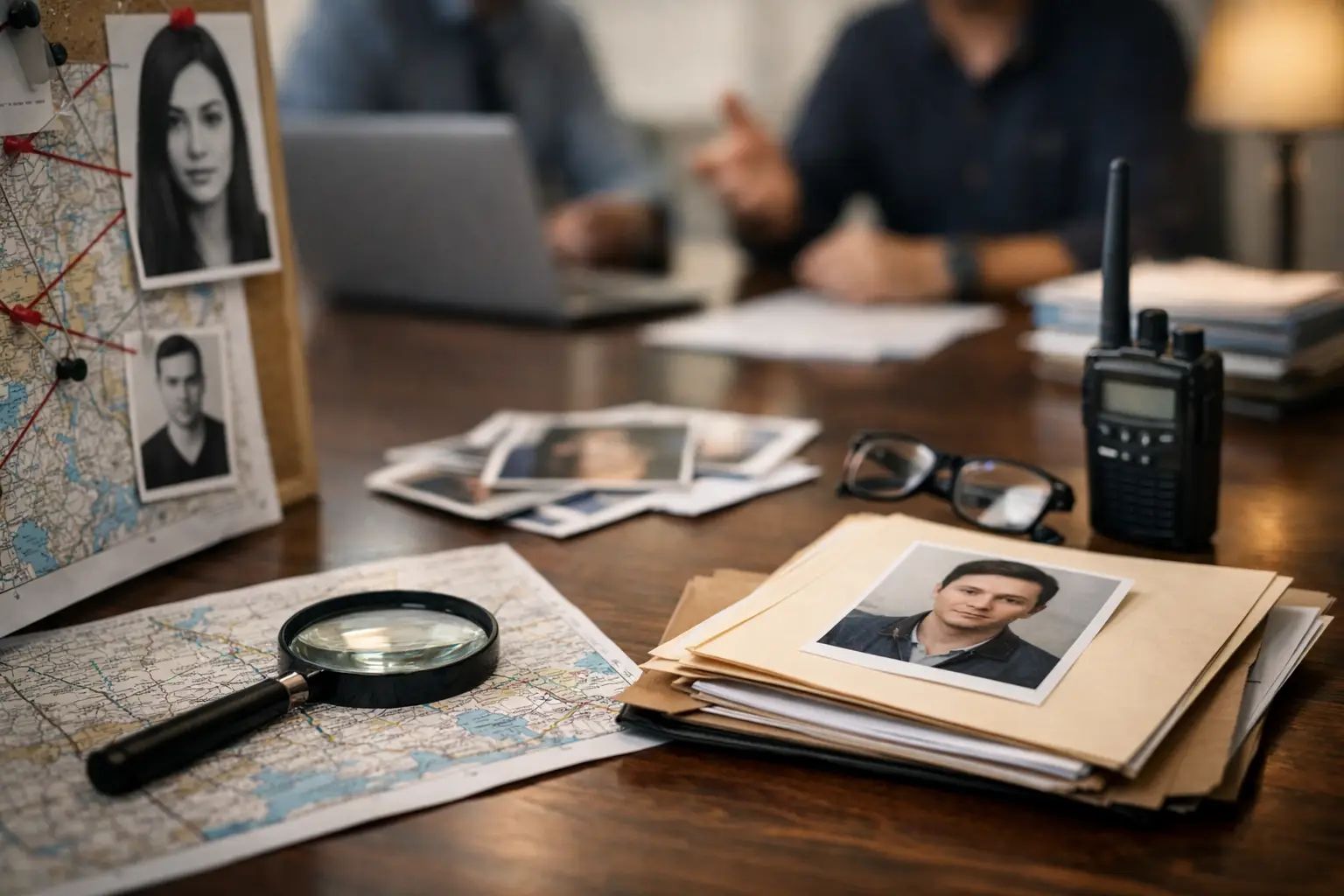
The next step is building a factual timeline. This sounds simple, but it is one of the most important parts of the process. A reliable timeline puts alleged events, witness accounts, calls, texts, travel, transactions, and police activity into sequence. Once that timeline is tested against records and interviews, contradictions often appear. A witness may be mistaken about when they arrived. A phone record may place someone elsewhere. A store receipt or rideshare log may narrow the window far more than anyone expected.
After that, attention usually shifts to evidence collection and witness development. The order depends on the case. Some matters are document-heavy. Others are driven by human memory, scene conditions, and credibility issues. Either way, speed matters because memories fade, locations change, and digital records are not always retained for long.
Witness interviews and statement analysis
Witness work is often the center of a criminal defense investigation. That includes identifying known witnesses, locating overlooked witnesses, and carefully comparing statements for inconsistency, bias, motive, and factual gaps. The point is not to pressure anyone. It is to determine what they actually know, how they know it, and whether their account holds up when details are examined.
Independent witness interviews can reveal facts not captured in police reports. A bystander may remember a second vehicle, an argument that began earlier than reported, or poor lighting that affected visibility. A neighbor may know that a gate was normally locked, that a camera faced the wrong direction, or that another person regularly had access to the property.
Not every witness helps the defense. Some may reinforce the prosecution’s version. That is part of the work too. A seasoned investigator separates useful facts from hopeful assumptions and documents both carefully.
Scene investigation and timeline verification
Returning to the scene can be critical, especially when the allegation depends on distance, line of sight, lighting, noise, traffic flow, or access points. Police reports often summarize a location without capturing details that become important later. A defense scene investigation may involve photographs, measurements, route testing, neighborhood canvassing, or checking for cameras and business records nearby.
Context changes cases. A claimed identification made from across a dim parking lot is different from one made face-to-face in daylight. A timeline built around a ten-minute travel window may collapse if actual route conditions make that timing impossible. Small facts become decisive when they are verified.
Digital evidence and records review
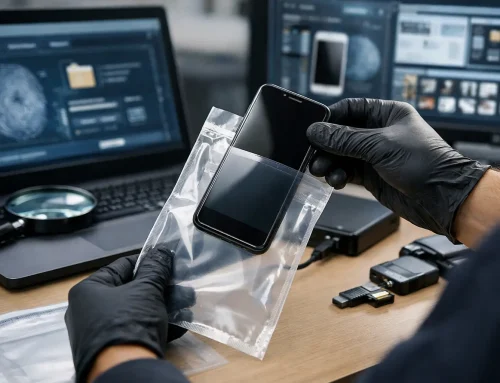
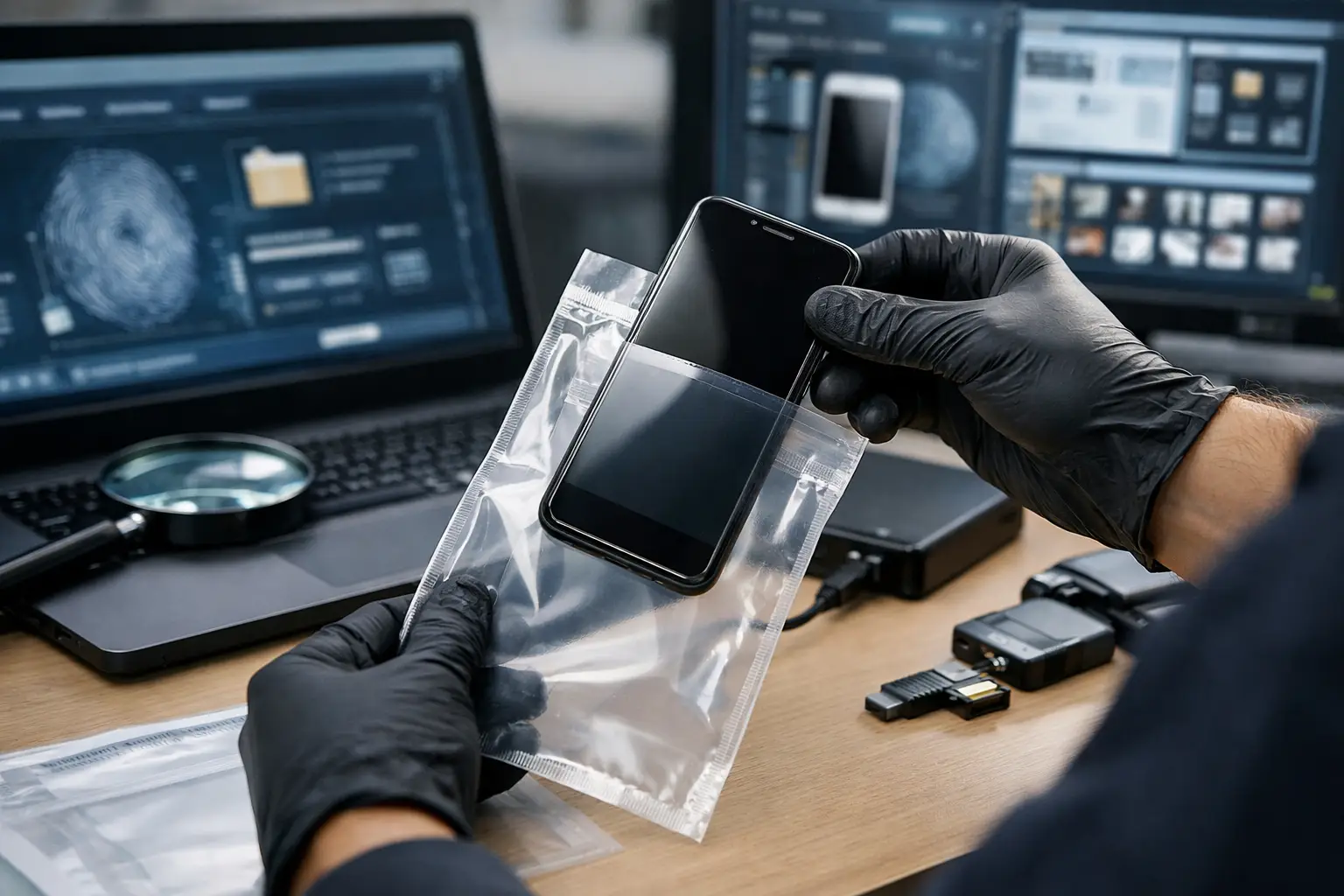
Modern criminal defense investigations often rise or fall on digital evidence. Phones, social media activity, location data, emails, cloud accounts, surveillance systems, call logs, text history, app records, and metadata can all matter. So can business records, access logs, banking activity, employment files, and public or private video sources.
This area requires care. Digital evidence can be powerful, but it is also easy to misread. Location data may suggest proximity without proving presence. Screenshots may omit context. Account ownership does not always prove account use. A proper review looks at authenticity, timing, chain of custody, and alternate explanations.
For that reason, defense teams often need an investigator who understands both retrieval and interpretation. The question is not only what a record appears to show. The question is what can be established reliably enough to stand up under legal scrutiny.
Legal and strategic limits matter
Any guide to criminal defense investigations should address a point many people miss: not everything that is possible is lawful, and not everything that is lawful is wise. Investigators must work within legal and ethical boundaries. Witness contact, evidence handling, database access, surveillance methods, and digital recovery all carry rules. Violating those rules can damage the defense rather than help it.
There is also a strategic limit. An investigation should support counsel’s objectives, not create noise. Chasing every rumor can waste time and expose the defense theory too early. On the other hand, being too cautious can mean losing evidence that cannot be recovered later. This is where coordination between attorney and investigator becomes essential.
Good criminal defense work is selective, focused, and documented. It is not a fishing expedition. It is a disciplined process designed to produce reliable facts the defense can actually use.
When to bring in a professional investigator
The best time is usually earlier than most people think. Waiting until charges are filed, discovery is complete, or a court date is close can mean starting after evidence has gone stale. Early intervention gives the defense a better chance to locate witnesses, preserve footage, document conditions, and identify weaknesses before the case narrative hardens.
Professional investigators are particularly valuable when the case involves multiple witnesses, conflicting timelines, digital evidence, allegations that depend on credibility, or facts spread across different locations. They also matter when the client’s family wants answers but needs to avoid making the situation worse through direct contact or amateur online research.
In high-stakes matters, discretion is not a luxury. It is part of case protection. A licensed, experienced investigative team understands how to gather information without drawing unnecessary attention, contaminating evidence, or creating avoidable risk. Firms such as Kay & Associates Investigations are brought into these matters for exactly that reason – to add structure, confidentiality, and professional judgment when the facts are contested and the consequences are serious.
What clients and attorneys should expect from the process
A strong defense investigation does not promise a dramatic reveal. It promises method. Expect fact gathering to happen in stages. Some leads develop quickly. Others go nowhere. Certain witnesses cooperate; others do not. Some records are preserved immediately; others require legal process or may no longer exist.
You should also expect honest feedback. Not every theory survives contact with evidence. That is not failure. It is case development. The value of an investigation is not in telling clients what they want to hear. It is in identifying what can be proven, what can be challenged, and what strategy the facts actually support.
For attorneys, the best investigative partners are the ones who communicate clearly, document thoroughly, and understand the evidentiary standard required in criminal cases. For clients, the right investigator brings calm to a situation that often feels chaotic. That alone has value, but the real benefit is stronger decision-making under pressure.
If you are facing allegations or supporting someone who is, the smartest next move is usually not louder advocacy. It is quieter fact work, done early and done well.




Locating and Serving a Person Hard to Find for Legal Action says: