


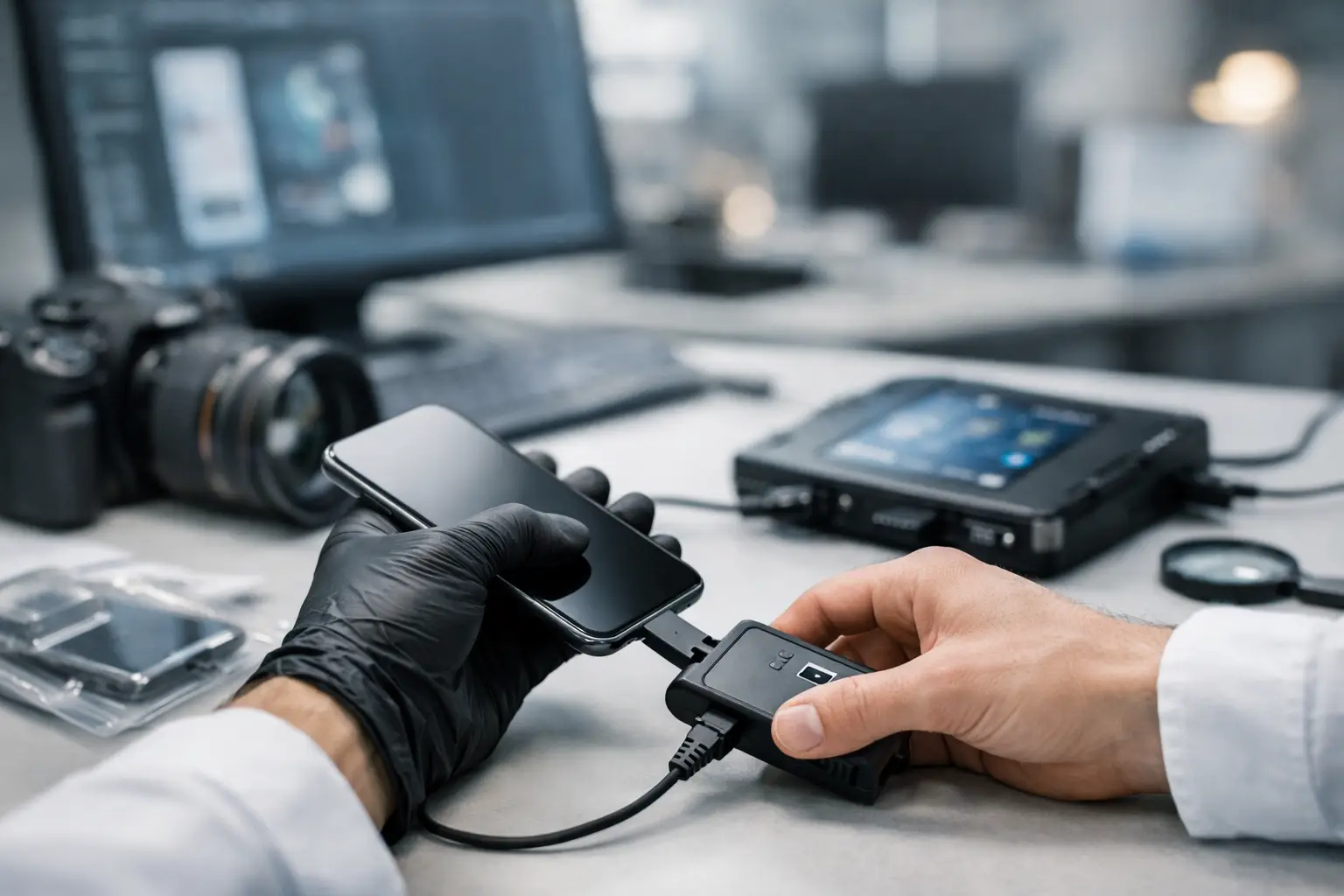
What the Forensic Phone Extraction Process Does
A phone can settle a custody dispute, expose financial misconduct, challenge an alibi, or confirm that someone is not telling the truth. It can also be mishandled in a way that destroys critical evidence. That is why the forensic phone extraction process matters so much. When the stakes involve court, family, business loss, or criminal defense, the difference between a proper extraction and an amateur search can shape the outcome.
What the forensic phone extraction process actually means
The forensic phone extraction process is the controlled recovery of data from a mobile device in a way that preserves evidence, documents handling, and supports later review. It is not the same as scrolling through a phone, taking screenshots, or using consumer backup tools. A proper extraction is designed to capture data methodically, with attention to integrity, chain of custody, and the legal purpose behind the work.
That distinction matters. If data is collected casually, the other side may challenge whether anything was changed, omitted, or taken out of context. If the collection is done for litigation, internal investigations, or law enforcement support, process is often just as important as the data itself.
Why clients request phone extractions
For private clients, the need usually starts with uncertainty. A spouse may suspect deleted messages are relevant to divorce proceedings. A parent may need evidence tied to custody concerns, contact patterns, or location history. A victim of harassment may need preserved communications before they disappear.
For law firms and corporate clients, the reasons are often broader. Mobile devices can contain communications, photos, app activity, metadata, account links, and usage history that help establish timelines, relationships, intent, or access. In fraud, employee misconduct, theft, or internal policy violations, a phone may hold pieces of the story that do not appear anywhere else.
Still, every case is different. Not every phone contains useful evidence, and not every extraction will recover deleted content. Results depend on the device, operating system, app behavior, security settings, damage, and whether data has already been overwritten.
The first stage of the forensic phone extraction process
A professional extraction begins before any data is pulled. The examiner first identifies the device, its condition, its operating system, and the legal authority for access. That may involve owner consent, attorney direction, a court order, or another legally recognized basis. Without a clear right to examine the device, the process should not move forward.
The phone is then documented carefully. Investigators note identifying details, visible condition, lock status, available accessories, SIM or storage components, and how the device was received. This is where chain of custody starts. If evidence may later be presented in court, every transfer and handling step should be traceable.
At this point, the examiner also makes a strategic decision about the type of extraction that is appropriate. There is no single method that works best in every case.
Logical, file system, and physical extraction
A logical extraction usually captures data the operating system makes accessible through standard interfaces. That can include contacts, call logs, text messages, photos, and certain app data. It is often faster and less invasive, but it may not recover as much as deeper methods.
A file system extraction goes further by collecting a broader set of directories and stored data structures. This can provide more detail about app usage, databases, cached items, and timestamps.
A physical extraction attempts to acquire a fuller copy of the device’s memory. In the right circumstances, this can provide access to deleted artifacts or lower-level data. But physical extraction is not always possible, especially on newer devices with stronger encryption and security protections. Promising a full physical extraction on every phone would be unrealistic.
Access, preservation, and data capture
Once the method is selected, the examiner works to preserve the device and avoid unnecessary changes. Depending on the situation, that can include isolating the phone from networks, managing power carefully, and using forensic tools designed to minimize alteration.
If the phone is locked, access becomes one of the central issues. Sometimes the owner provides the passcode. Sometimes lawful authority exists but technical barriers remain. Modern phones are built to resist access, and in many cases that protection is effective. A seasoned investigator will explain that legal permission and technical capability are not always the same thing.
When access is achieved, the extraction tool captures available data and creates reports or forensic images for analysis. Good practice includes verification steps to confirm that the acquired data matches what was collected and has not been altered during transfer.
What data may be recovered
People often think only of text messages and photos, but the scope can be much wider. Depending on the device and apps involved, an extraction may reveal call history, saved contacts, voicemails, emails, browser records, GPS-related data, notes, calendars, file transfers, social media artifacts, deleted fragments, and app-specific communications.
Metadata is often as important as content. Timestamps, geolocation information, account identifiers, and file creation details can help establish sequence and context. A simple message may matter less than proving when it was sent, where the device was located, and whether related files were created or shared around the same time.
That said, encrypted apps, cloud-based messaging, disappearing messages, and remote deletion can limit what remains on the device. Some evidence lives primarily in the cloud, not on the handset itself. A careful investigator explains those limits early rather than making broad promises.
Analysis is where the evidence takes shape
The extraction itself is only part of the work. Raw data can be massive, fragmented, and misleading if reviewed without context. Analysis is where the examiner organizes the material, builds timelines, identifies relevant communications, compares accounts, and separates noise from evidence.
This stage often includes cross-checking phone data against other records such as surveillance findings, witness statements, financial activity, access logs, social media activity, or known event times. That is how digital evidence becomes useful in real investigations. A message thread alone may raise questions. A message thread paired with location data, image metadata, and corroborating field investigation can answer them.
In sensitive matters, analysis also has to stay focused. Overcollection can create privacy concerns and unnecessary cost. The best work is targeted to the issue at hand, whether that issue is infidelity, employee theft, child endangerment, harassment, or civil litigation support.
Legal and practical limits clients should understand
The biggest misconception about the forensic phone extraction process is that it can get everything from any phone. It cannot. Newer mobile operating systems are designed to protect user data, and those protections are strong. Deleted does not always mean recoverable, and locked does not always mean accessible.
The second misconception is that private investigators can simply extract any phone a client brings in. They cannot. The legal right to access the device matters. Ownership, shared use, employer policies, consent, and pending litigation can all affect what is permitted. Taking shortcuts here can damage a case instead of helping it.
Timing also matters. A phone that is still being actively used may change constantly. Apps update, messages sync, cloud settings change, and data may be overwritten. When a device is potentially relevant, preserving it properly and seeking professional guidance quickly is usually the safer course.
Why professional handling matters in high-stakes cases
Phone evidence is persuasive because it feels personal and immediate. But that is exactly why it must be handled with discipline. In family law, one poorly obtained extraction can create evidentiary challenges and expose private material that has nothing to do with the dispute. In business investigations, a careless collection can interfere with employment issues, privacy rights, or later legal review.
Experienced investigators approach the work with restraint as well as technical skill. They understand documentation, evidence handling, legal sensitivity, and the emotional pressure clients are under. At Kay & Associates Investigations, that standard is part of the job. Clients come to a licensed, seasoned firm because they need facts they can stand behind, not guesses or shortcuts.
When to involve an investigator
If a phone may contain evidence tied to litigation, fraud, custody, infidelity, threats, or internal misconduct, early advice can prevent costly mistakes. Waiting too long can mean lost data. Acting too fast without legal or investigative guidance can create a different kind of problem.
A disciplined forensic phone extraction process gives clients something more valuable than raw data. It gives them a defensible way to find the truth, protect sensitive information, and move forward with clearer footing when the situation is already difficult enough.










Locating and Serving a Person Hard to Find for Legal Action says: