


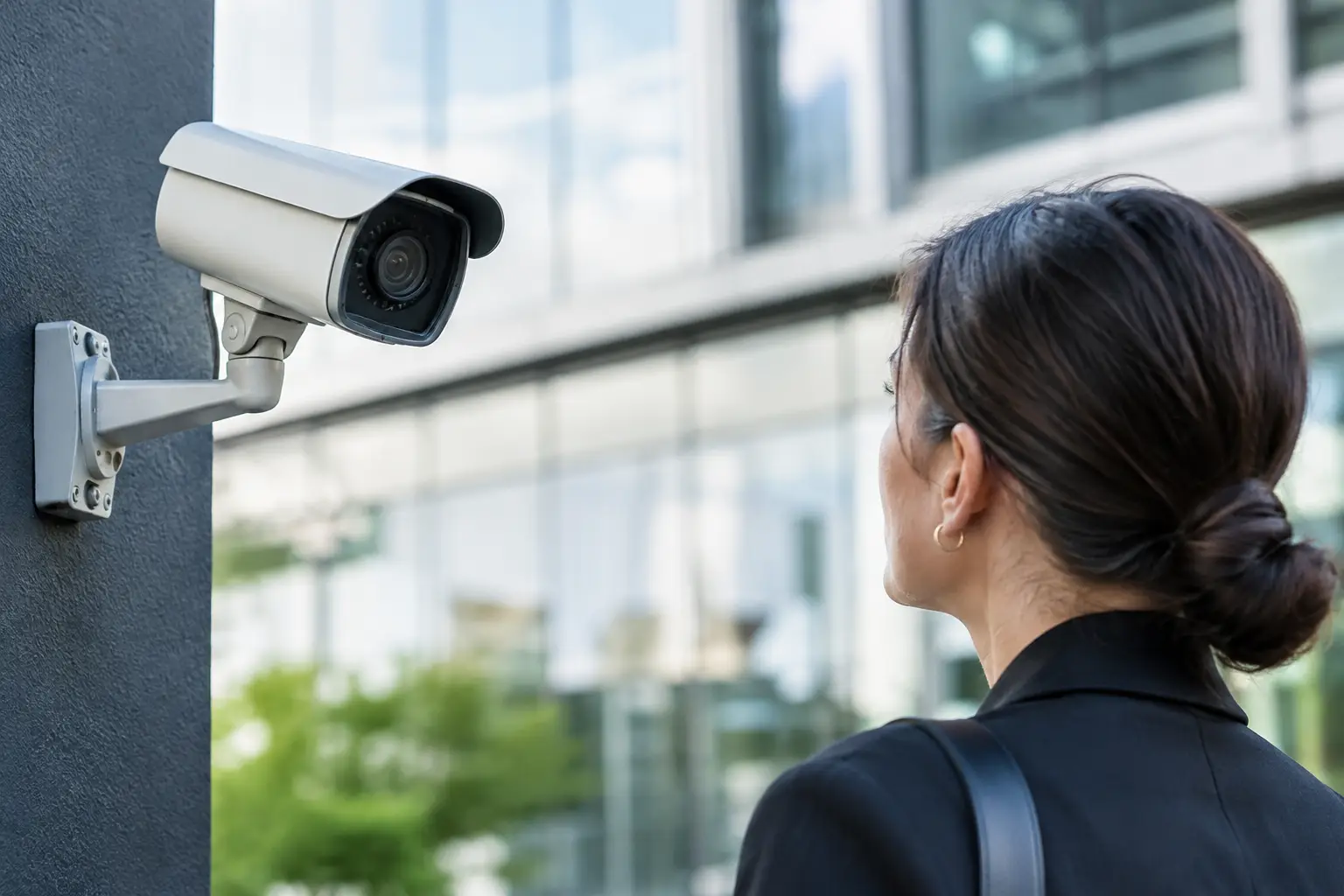
Surveillance Technology: When Evidence Matters
A missed exchange outside a workplace, an unexplained pattern of travel, or activity that conflicts with a sworn statement can change the direction of a case. Surveillance technology helps document those facts, but the equipment alone is not the investigation. The value comes from a licensed professional who knows what to observe, when to document it, and how to preserve findings in a manner that can withstand scrutiny.
For clients facing infidelity concerns, child custody disputes, employee misconduct, insurance fraud, or corporate losses, the goal is not constant monitoring. It is credible information gathered legally, discreetly, and with a clear purpose. That distinction protects both the client and the integrity of the evidence.
What Surveillance Technology Can and Cannot Do
Modern investigative work may involve high-resolution cameras, low-light imaging, video documentation, secure evidence storage, location-based analysis, and digital intelligence tools. Used appropriately, these resources can help establish timelines, identify patterns, corroborate statements, and document conduct in places where there is no reasonable expectation of privacy.
For example, video surveillance may show whether a parent is following a custody order during a scheduled exchange. In a business matter, it may document whether inventory is being removed, whether a worker is violating a policy, or whether an insurance claimant is performing activities inconsistent with claimed limitations. In each situation, the facts matter more than assumptions.
Technology has limits. A camera does not explain motive. A single clip can be misleading without context. A location indicator may show where a device traveled, but it does not always establish who possessed that device or why they were there. Professional investigators evaluate the full picture rather than presenting isolated details as proof.
Why Legal Methods Matter as Much as the Equipment
Clients sometimes assume that a difficult situation justifies any method that produces an answer. It does not. Unauthorized access to accounts, hidden recording in prohibited settings, unlawful tracking, and impersonation can create serious legal exposure. They may also damage a family-law case, a civil claim, or an internal corporate investigation.
California privacy laws are particularly significant. Audio recording, for instance, is subject to strict consent requirements. Privacy expectations can also change based on the location, the relationship between the parties, and the method used to collect information. A strategy that is lawful in one setting may be prohibited in another.
A licensed investigator begins by defining the legitimate objective. Is the client trying to verify compliance with a custody arrangement? Document suspected fraud? Locate a person who may be in danger? Support counsel in a pending legal matter? A clear objective helps determine which investigative methods are appropriate and which should be avoided.
This is why amateur surveillance often creates more risk than clarity. Following someone without training can lead to confrontation, trespass concerns, dangerous driving, or conduct that alerts the subject. Recording or accessing information without understanding applicable law can make the client part of the problem. Professional judgment is not an add-on to the equipment. It is the safeguard.
Surveillance Technology in Personal and Family Cases
Personal cases carry an emotional weight that technology cannot reduce. Someone who suspects infidelity or is worried about a child’s welfare may feel pressure to act immediately. The most useful first step is usually to pause, preserve what is already available lawfully, and discuss the facts confidentially with a qualified professional.
In a suspected infidelity matter, surveillance may be used to confirm or rule out a pattern of conduct. The outcome is not always what the client expects. Sometimes the evidence supports the concern. Sometimes it provides an innocent explanation. Either result can replace uncertainty with verified facts and help a client decide what to discuss with an attorney, spouse, or counselor.
Child custody surveillance requires even greater care. The purpose should be the child’s safety and well-being, not retaliation between parents. Relevant observations may include dangerous driving, apparent impairment while responsible for a child, repeated violations of a court-ordered schedule, or exposure to clearly unsafe circumstances. Investigators should document objectively, without exaggeration or editorial judgment.
Missing-person investigations may also involve technology, but they demand a tailored approach. Public records research, social media analysis, witness interviews, and field inquiries may be more useful than physical surveillance at the beginning. When there is an immediate threat to life or safety, law enforcement should be contacted first.
Business Investigations Need a Defined Scope
For corporations, banks, law firms, and small businesses, surveillance technology is most effective when it addresses a specific business risk. Vague requests to “watch an employee” can create compliance and morale concerns. A focused assignment, such as investigating a credible theft allegation or documenting activity connected to a workers’ compensation claim, is easier to conduct responsibly.
A well-planned corporate investigation identifies the allegation, the relevant dates, the locations involved, and the evidence needed to make an informed decision. It also considers workplace policies, labor issues, contractual obligations, and the potential for litigation. An investigator may work alongside counsel or internal security teams, but should maintain clear documentation of methods and findings.
Surveillance can be particularly useful in fraud matters because patterns often matter more than a single event. Repeated after-hours access, unexplained meetings with a competitor, deliveries that do not match purchase records, or activity inconsistent with a claim may warrant closer review. Still, surveillance should be one part of a larger fact-finding process that can include financial analysis, background research, interviews, and digital forensics.
What Makes Video Evidence Credible
The most persuasive surveillance evidence is accurate, complete, and properly documented. Clear footage is helpful, but quality is more than resolution. An investigator should be able to explain when and where observations occurred, what equipment was used, whether the footage has been altered, and how the original material was stored.
Contemporaneous field notes are equally important. They provide context that video may not capture, such as the sequence of events, descriptions of individuals, vehicle identifiers, weather conditions, or changes in the environment. Reports should separate observed facts from reasonable inferences. That discipline matters when findings may be reviewed by an attorney, insurer, employer, judge, or opposing party.
Chain of custody is another practical concern. If evidence could be used in litigation, files should be preserved securely and handled in a way that reduces questions about authenticity. A casual text message containing a shortened video clip is rarely an adequate evidence-management process.
Questions to Ask Before Hiring an Investigator
Before authorizing surveillance, clients should ask whether the investigator is properly licensed, whether the proposed plan is legal for the circumstances, and what reporting they can expect. They should also understand the anticipated scope, potential costs, and what may cause the strategy to change in the field.
No ethical investigator can guarantee a particular result. Surveillance is affected by timing, weather, subject movement, public access, and the facts themselves. What a professional can provide is a reasoned plan, lawful methods, timely communication, and honest reporting whether the findings support or contradict the original concern.
The Right Technology Depends on the Question
There is no single surveillance package that fits every matter. A family-law case may require limited, carefully timed observation around specific exchanges. A complex fraud investigation may call for a coordinated review of physical activity, digital records, financial information, and witness statements. A high-profile client may need heightened discretion and operational planning.
The best approach is proportionate. More technology is not automatically better, especially if it produces irrelevant material, increases privacy risk, or distracts from the actual issue. Experienced investigators use only the methods that serve the assignment and can explain why those methods are necessary.
Kay & Associates Investigations approaches sensitive matters with that discipline: define the concern, build a lawful strategy, document the facts, and protect client confidentiality throughout the process. For clients living with uncertainty, professionally gathered information can provide a sounder basis for the next decision.








Locating and Serving a Person Hard to Find for Legal Action says: