


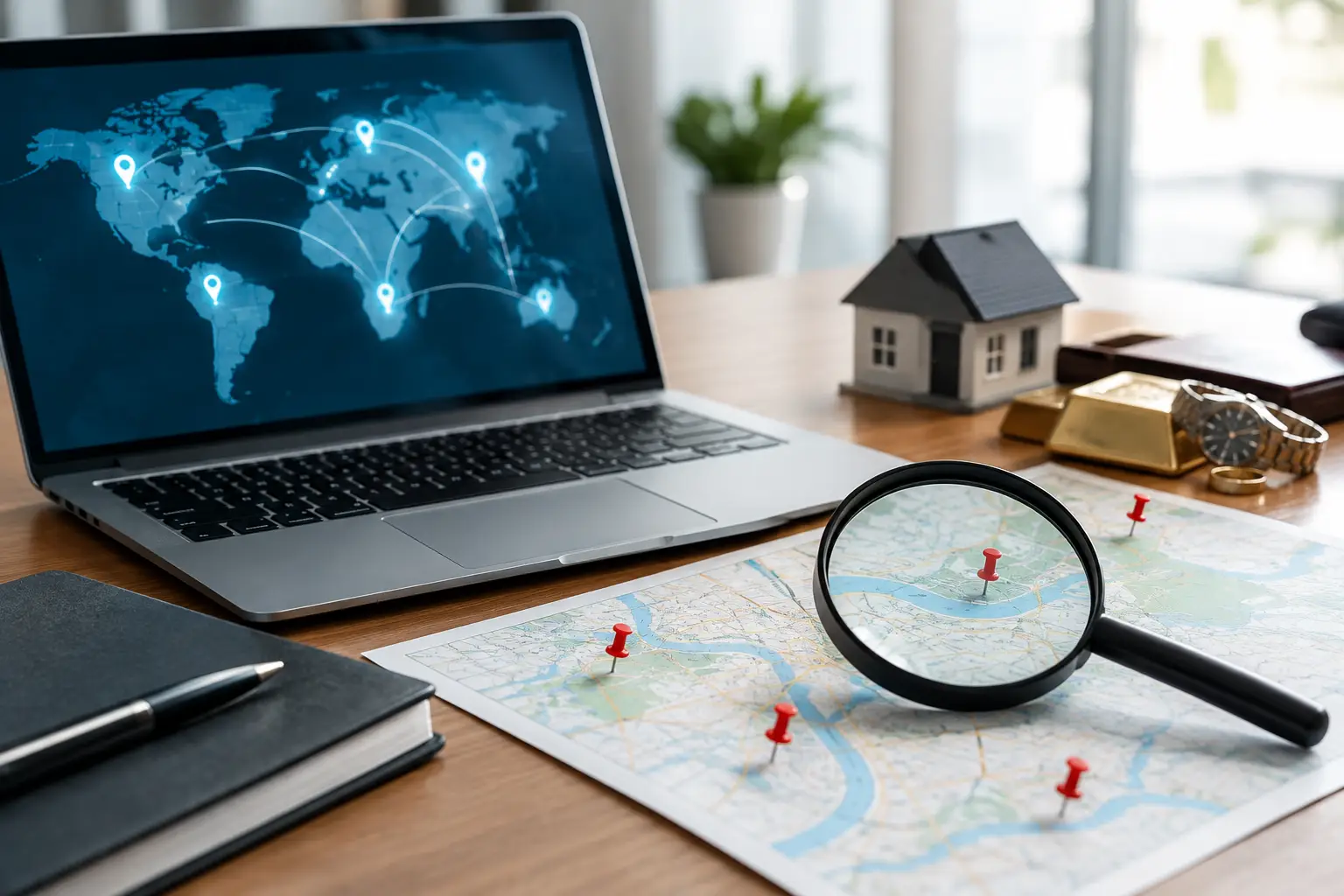
How to Trace Stolen Assets and Protect Evidence
When money, property, inventory, digital funds, or business equipment disappears, the first hours can shape the entire recovery effort. Knowing how to trace stolen assets is not about confronting a suspected thief or searching through someone else’s private accounts. It is about preserving facts, identifying where value moved, and building evidence that can withstand scrutiny from law enforcement, insurers, attorneys, or a court.
Asset theft is rarely as simple as a missing item. A dishonest employee may move inventory through a third party. A former partner may transfer funds through several accounts. A scammer may convert stolen money into cryptocurrency, gift cards, vehicles, or other property. The goal is to establish a documented path from the original asset to the person, account, transaction, or location connected to it.
Start by Securing What You Know
Before searching for the asset, protect the records that prove it existed and belonged to you or your organization. Preserve original invoices, receipts, serial numbers, photographs, bank statements, contracts, inventory logs, emails, text messages, access records, and surveillance footage. Keep originals intact and create working copies where appropriate.
Write down a clear timeline while details are fresh. Include when the asset was last verified, who had access, when the loss was discovered, and any unusual activity leading up to it. For a business, this may include changes in vendor payments, refund patterns, payroll entries, shipping records, or inventory adjustments. For an individual, it may involve unauthorized transfers, missing valuables, altered account credentials, or property removed during a dispute.
Do not edit files, crop screenshots, overwrite security video, or repeatedly log into an account in a way that changes its activity history. Evidence is more useful when its source, date, and condition can be explained.
Report the Theft Through the Right Channels
A police report creates an official record of the loss and may be necessary for insurance claims, financial institutions, and later legal action. Provide the facts you can support. Avoid filling gaps with assumptions, even if you have a strong suspicion about a particular person.
Contact banks, credit card issuers, payment platforms, and relevant merchants immediately when financial assets are involved. Ask about transaction holds, fraud claims, account security, and available records. Speed matters because institutions may have limited windows for disputes, reversals, or account restrictions.
If the stolen property is insured, notify the carrier promptly and follow its documentation requirements. A premature accusation, however, can create unnecessary exposure. It is usually wiser to describe the loss and the evidence than to make claims you cannot yet prove.
Follow the Asset Trail, Not Just the Suspect
A successful asset trace relies on patterns. Investigators look for the points where the stolen asset was acquired, transferred, converted, stored, sold, or used. Each point can produce a record.
For physical property, identifiers are essential. Serial numbers, VINs, IMEI numbers, model numbers, engraving, repair records, ownership documents, photos, and distinctive marks may connect a missing item to a resale listing, pawn transaction, repair shop, storage facility, or recovered property report.
For financial theft, the trail may begin with a single unauthorized payment. From there, an investigation may compare account statements, wire details, merchant data, invoices, vendor information, corporate filings, public property records, and known business relationships. The question is not merely where the money went. It is whether the recipient, intermediary, or purchase can be tied to the underlying theft.
Digital assets require a different approach. Blockchain transactions may be visible, but identifying the person behind a wallet often requires specialized analysis, exchange records obtained through proper legal channels, and careful interpretation. A visible transaction is not the same as a proven identity.
Look for Signs of Concealment
Stolen assets are often disguised rather than held in the thief’s own name. Warning signs can include payments to new vendors, repeated small transfers below approval thresholds, unexplained loans, unusual cash withdrawals, sudden ownership changes, shell companies, false invoices, or property titled to relatives or associates.
These signs are leads, not proof. A transfer to a family member or a newly formed company can have a legitimate explanation. Professional asset tracing tests the explanation against records, timing, relationships, and the full financial picture.
Use Lawful Investigation Methods
The urge to get answers can lead people into costly mistakes. Do not access another person’s email, cloud storage, bank account, phone, social media account, or password-protected device without clear legal authorization. Do not place a tracking device on a vehicle you do not own or lawfully control. Do not impersonate a bank employee, threaten a suspect, or use deception that could compromise an investigation.
Lawful methods may include review of records you own or are authorized to access, open-source intelligence, public records research, legitimate interviews, forensic examination of company devices, and properly conducted surveillance. The right method depends on the asset, the suspected scheme, the jurisdiction, and whether litigation or criminal referral is likely.
For corporate matters, preserve access logs and restrict access to systems without destroying relevant data. For family and divorce-related concerns, speak with counsel before taking action involving jointly held accounts, homes, devices, or businesses. What is permissible in one situation may create serious legal problems in another.
Know When a Professional Asset Trace Is Needed
Some theft matters can be resolved through a bank dispute, police report, or insurance claim. Others require a deeper investigation, particularly when the assets have been moved through businesses, nominees, multiple accounts, or state lines.
A licensed private investigator can help organize evidence, locate relevant records, identify concealed relationships, conduct lawful surveillance, and document findings in a format useful to counsel or law enforcement. This can be especially valuable in employee theft, embezzlement, partnership disputes, divorce matters, judgment recovery, fraud claims, and missing-person cases involving financial exploitation.
Professional support does not guarantee recovery. The available evidence, the speed of action, the asset type, and the suspect’s ability to conceal or spend property all affect the outcome. Still, a properly documented trace can clarify what happened, strengthen a legal strategy, and prevent additional losses.
Kay & Associates Investigations approaches sensitive asset matters with discretion, individualized strategy, and the level of documentation high-stakes cases demand. For clients facing uncertainty, verified facts are more valuable than speculation.
Common Questions About Tracing Stolen Assets
Can stolen money be traced after it has been withdrawn as cash?
Sometimes. Cash is harder to follow than an electronic transfer, but the withdrawal itself may be documented through account records, ATM footage, bank logs, timing, witness information, purchases, deposits, and lifestyle changes. The trail may not end at the withdrawal.
Can a private investigator freeze an account or recover property?
No. A private investigator does not have authority to freeze bank accounts, issue subpoenas, seize property, or make an arrest. Those powers belong to financial institutions, courts, and law enforcement. An investigator’s role is to develop reliable information and evidence that supports the appropriate legal process.
How quickly should an asset investigation begin?
Immediately. Video may be overwritten, online listings disappear, financial dispute deadlines expire, and property can be moved or sold. Acting quickly does not mean acting recklessly. It means preserving records, reporting the loss, and choosing a lawful, focused investigative plan before critical evidence is gone.
If you suspect theft, keep the matter confidential, preserve every available record, and resist the temptation to confront anyone before the facts are established. Careful action at the beginning gives you the strongest chance of finding the asset trail and protecting your next step.








Locating and Serving a Person Hard to Find for Legal Action says: